
January is a difficult month for many of us. It’s dark, cold, wet and the glow of the festive season feels a long time ago.
But it’s also a moment when millions of people make a conscious decision to reset – to move more and invest in their health.
That’s why January matters so much for gyms, swimming pools and leisure centres. It’s consistently their busiest month of the year and not just because of New Year’s resolutions.
But beyond the first month of the year, there is a growing understanding that physical activity is preventative medicine and that a healthy population drives a healthy economy.
The places we move are of critical importance.
Earlier this week, alongside ukactive, I visited three very different facilities in one day – across both the public and private sector.
What struck me was how similar the stories were.
Operators talked about strong footfall, rising memberships and people coming through the doors for more than just exercise.
They’re coming for health, of course – but also for confidence, connection, and support.
This feels vitally important in a time that is characterised by increasing isolation, screens and polarised views.
Spaces open to everybody
Another feature which stood out was the remarkable diversity of the people there – from teenagers arriving in their uniforms after school, to the group of retirees who had originally been referred by the next door hospital and now were coming four days a week (and spending as much time over lunch as in the class).
It was also fantastic to see the level of innovation and use of technology to bring health and leisure closer together – with sophisticated health checks, devising personalised programmes for each individual, linking to 'e-gyms' and other virtual support.
This is the preventative health agenda in action. It’s getting active from the ground up and it sits at the heart of our ambition at Sport England, working with our partners to help millions more people become active.
January brings this ambition to life, but the real story is what’s happening year-round.
The scale and growth of the gym and leisure sector are significant.
The UK Health & Fitness Market Report 2025 shows a record 11.5 million people are now members of a health or fitness club – up 6.1% on the previous year – with 616 million facility visits recorded, an increase of 8.2%.
These are not short-term spikes. Participation has been growing over consecutive years, supported by a unique infrastructure of public, private, large, medium and independent operators working across the country.
 We've awarded three more years of National Lottery funding to the campaign that supports people living with long-term health conditions to be more active.
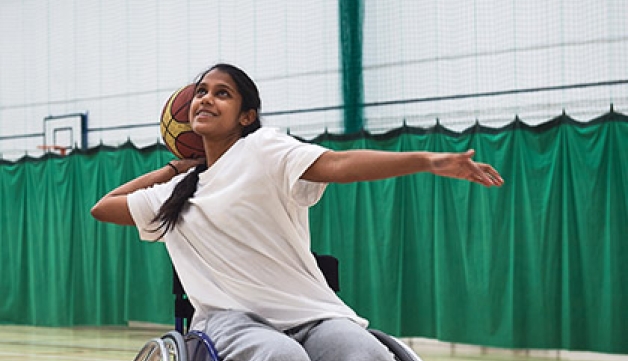 More children than ever are taking part, but too many are missing out on the benefits of an active lifestyle.

 In 2020 we looked for innovative solutions to support those most affected by the coronavirus (Covid-19) pandemic and offered support (financial and non-financial) to ensure that they could continue with it.
 We’ve invested a further £700,000 in the sector-wide initiative that aims to make it easier for people to find opportunities to get active through better use of data.

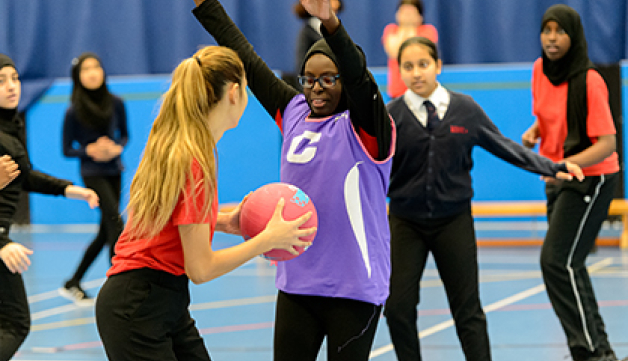 The legacy of Covid-19 means more must be done to give young people the best possible chance in life
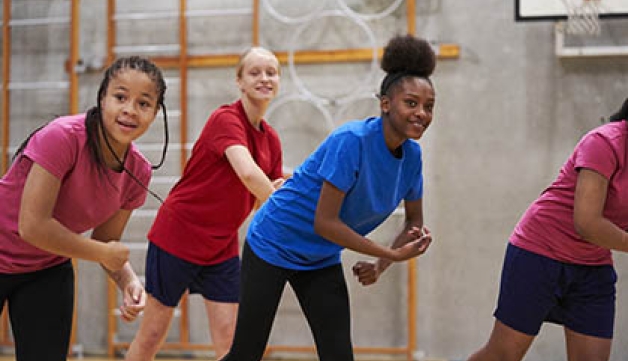 Our new report contains "strong and consistent" evidence that sport and physical activity benefits children and young people with diagnosed mental health conditions.

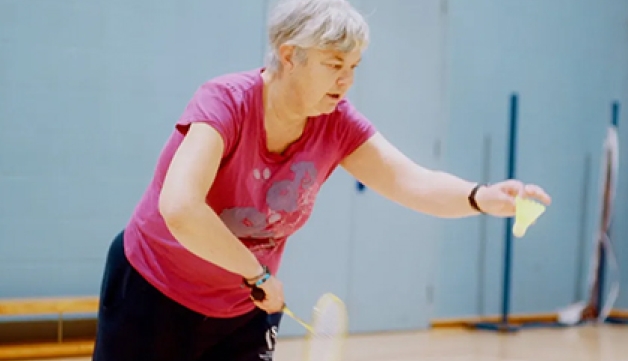 Sport in Mind, a multi-award-winning charity that works in partnership with NHS trusts, is one of the charities we funded to help people with health conditions improve their wellbeing and combat sedentary living.
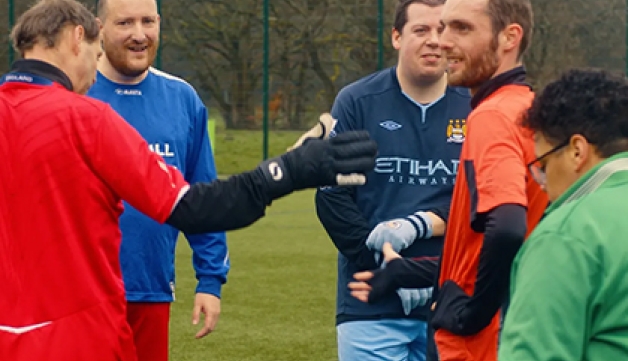 Blokes United is a social inclusion football session set up by the founders of Creative Football in Blackburn in 2017, to provide a support group for local men struggling with their mental health and wellbeing.
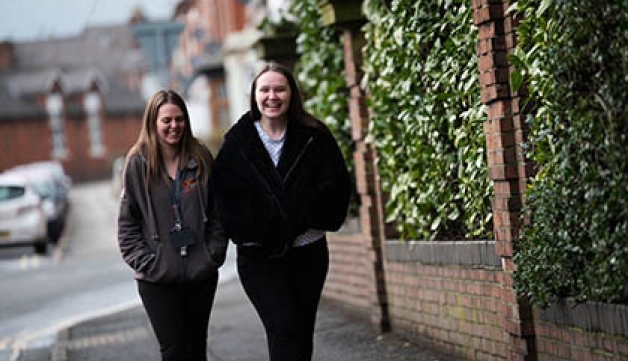 The Increasing Physical Activity in Psychological Treatment (IPAcT) pilot project explored how to integrate physical activity interventions into existing psychological NHS treatment for depression.
 The capital’s biggest ever community sports fund celebrates one year of success by launching a programme to support business ideas that enable young people to access sport and physical activity.

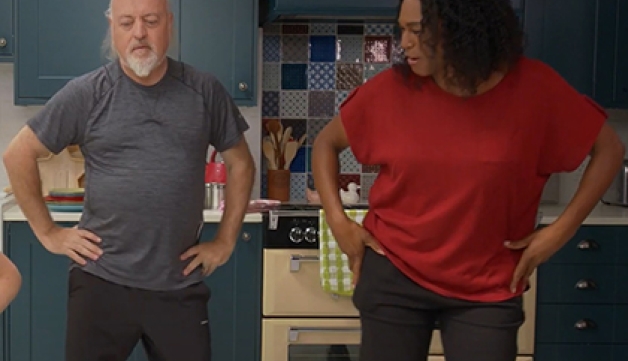 The campaign burst highlights the benefits of physical activity hidden in everyday movement and shines a light on why you don’t need to spend money to stay active and healthy.


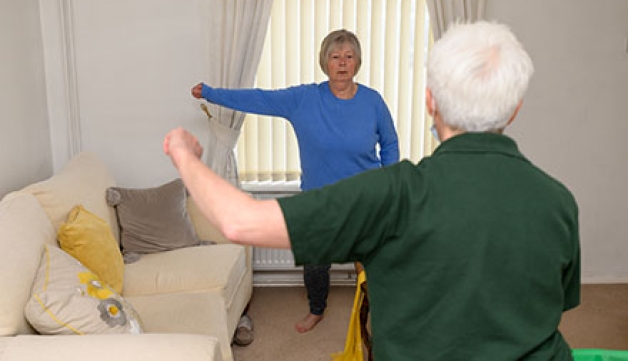 These are the different tools used during the programme and the key outcomes on the different stakeholders, including the work of healthcare professionals with their patients, and on the wider health system.


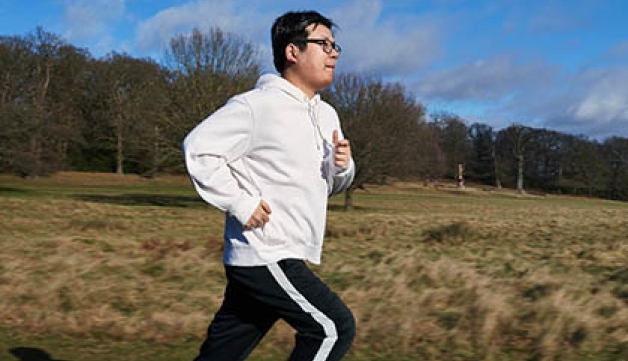 After nearly 400 interviews, the report illustrates the appetite for physical activity to be used within NHS Talking Therapy.


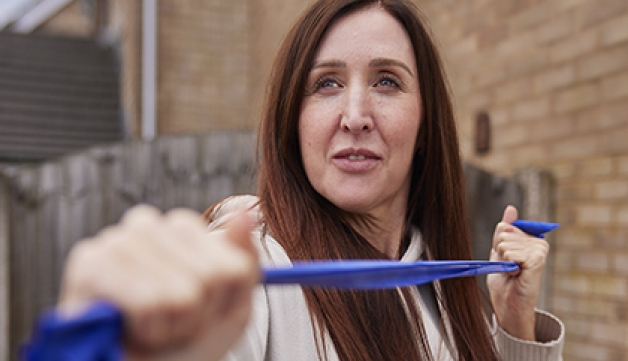 The campaign's Move to Your Mood videos are being bolstered with tips to stay active as the darkness creeps in and the temperatures drop.

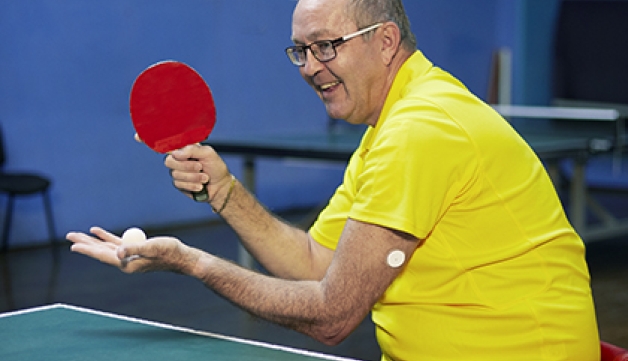 The new campaign burst sees a partnership with Gok Wan and acknowledges the role mood plays in people's motivations to get active.
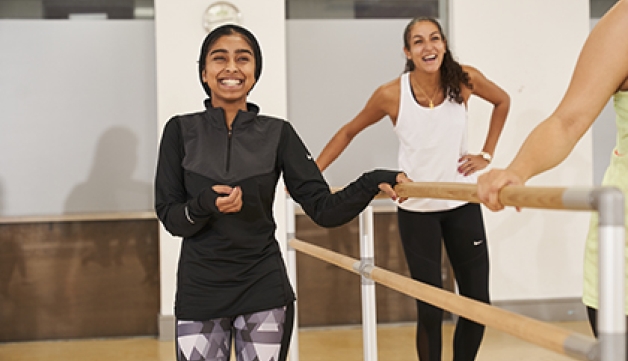 Data can give a better understanding of how to help people get active. We’ve got a number of tools to help you understand our available data.
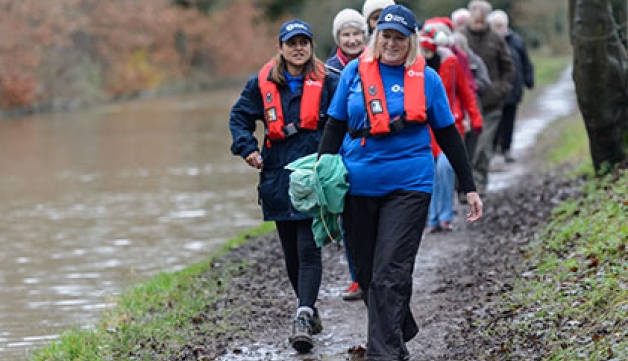 New pack, produced in collaboration with the Richmond Group of Charities, is a one stop shop for the sport and physical activity workforce.
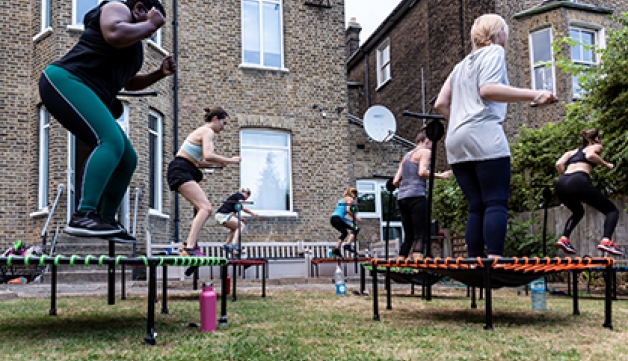 The 'Easier to be Active' resource is centred around a ‘5Is’ framework and highlight the four key ways the sport and physical activity sector can change to better support people with health conditions.

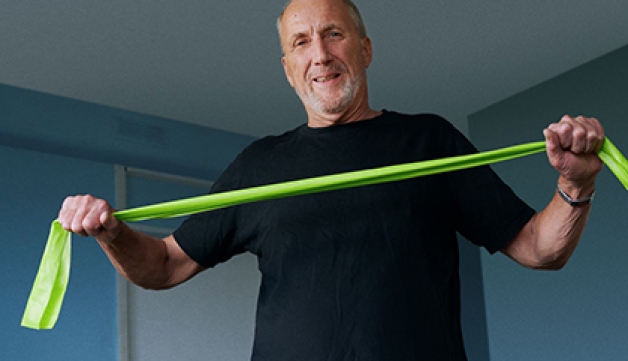 A new consensus statement from health experts has determined that physical activity is safe – even for people living with symptoms of multiple conditions.
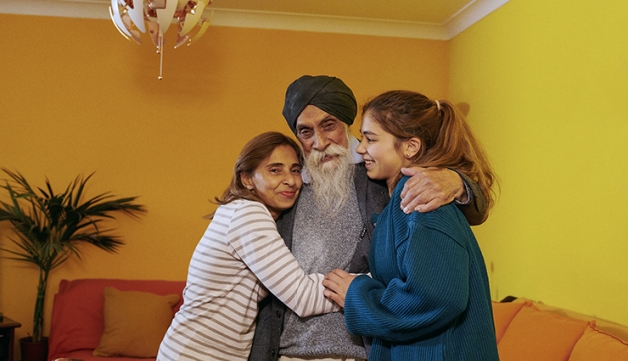 The campaign to help those with long-term health conditions be active launches two-week partnership as autumn burst of publicity begins.
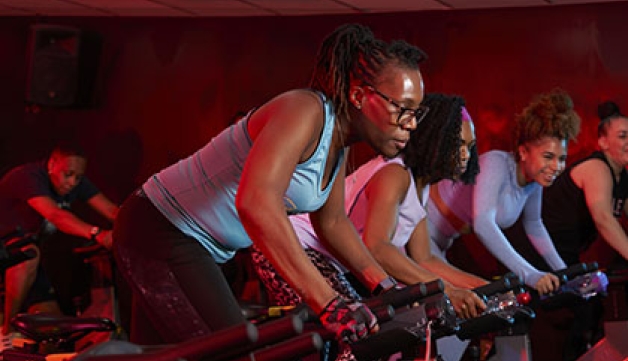 Our latest survey also shows activity levels are lowest for over 55s, disabled people and those with long-term health conditions.


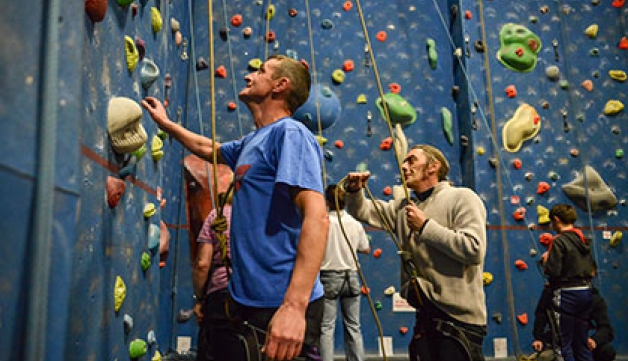 Our aim is to strengthen the connections between sport, physical activity, health and wellbeing, so more people can feel the benefits of, and advocate for, an active life.

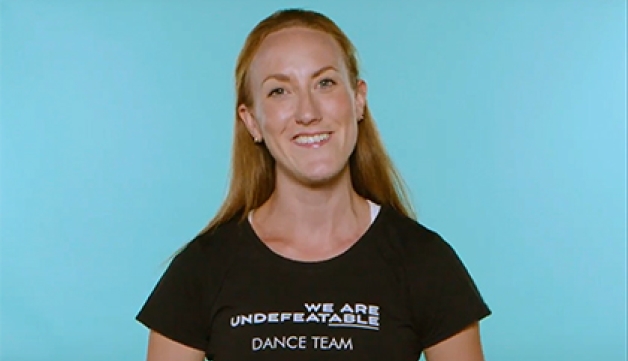 We Are Undefeatable is encouraging people with long-term health conditions to keep active despite parts of England being under new coronavirus restrictions.
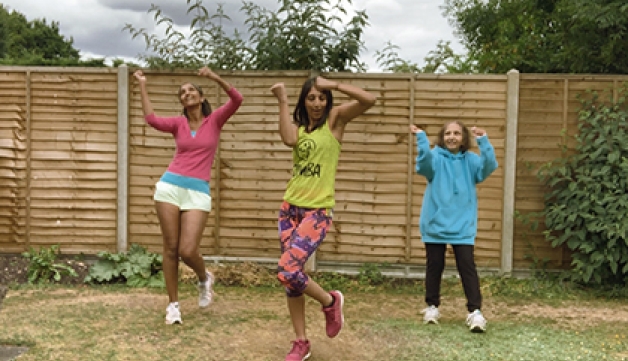 The ad and tools to help people get active come alongside research showing the impact coronavirus has had on people with long-term health conditions.
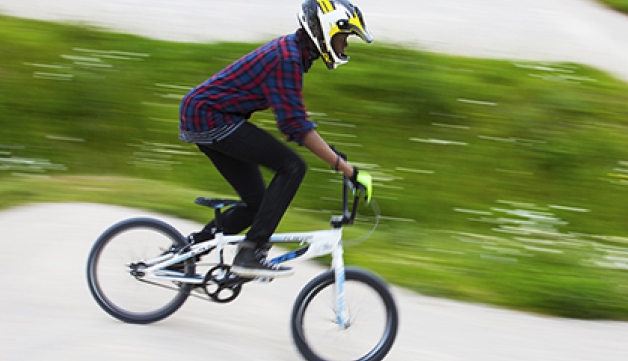 This fund existed to help to reduce the negative impact of coronavirus and help community groups working with our target audiences to grow and help more people.

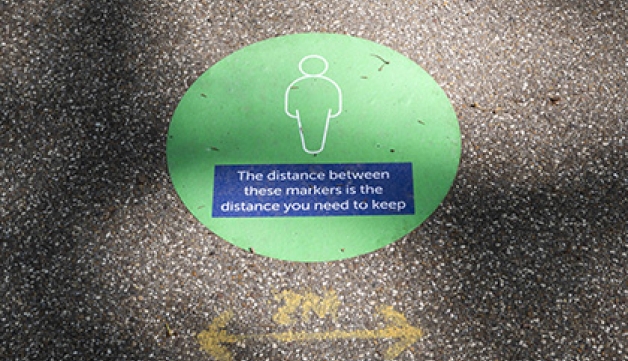
 Hygiene for sport and physical activity - how we can stop the spread of coronavirus and keep our environment safe for everyone.

 This week is Mental Health Awareness Week, helping to raise awareness of mental health and wellbeing conditions
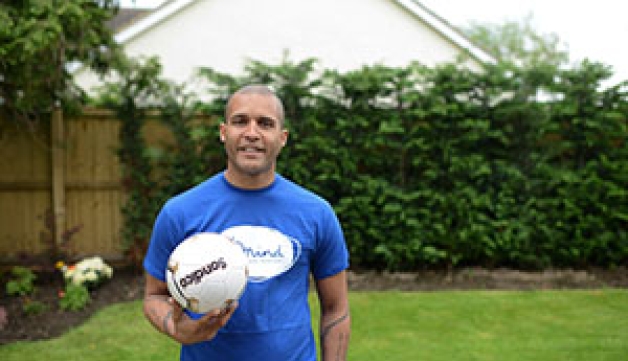 Plans for England's first large scale programme using sport to improve the lives of 75,000 people experiencing mental health problems were today unveiled by grassroots sports body Sport England and Mind, the mental health charity
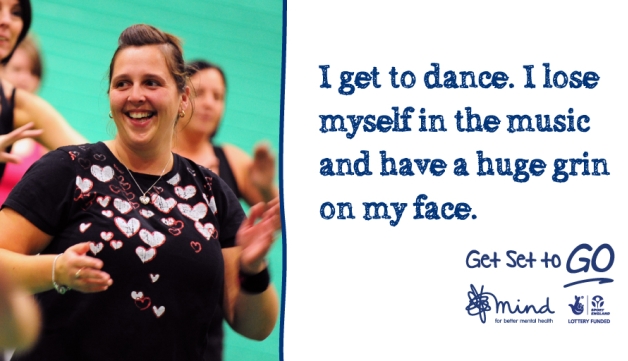 A programme which supports people with mental health problems to get active has been launched, as figures show 80 per cent are put off playing sport because they feel self-conscious about their bodies
 We're committed to using the power of sport to tackle the stigma of mental health
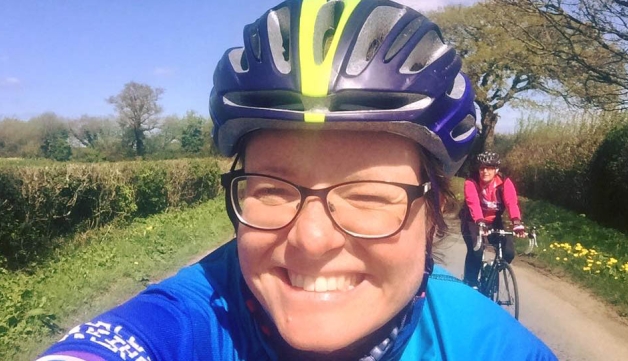 Keri discovered cycling in her battle with the "black dog", and hasn't looked back since.
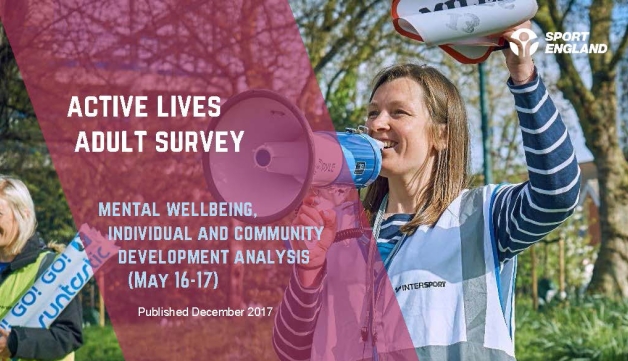 People who are regularly active enjoy better mental wellbeing, new Active Lives analysis shows.
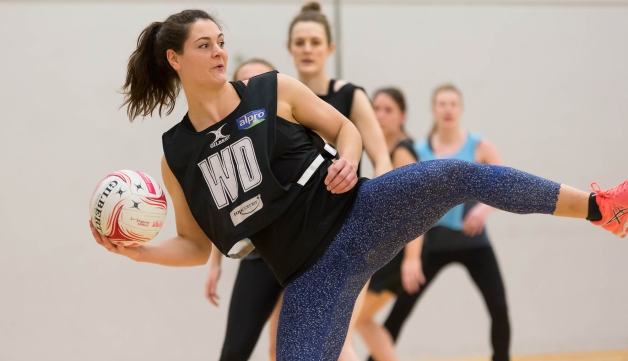 We're co-hosting the International Society for Physical Activity and Health Congress with Public Health England
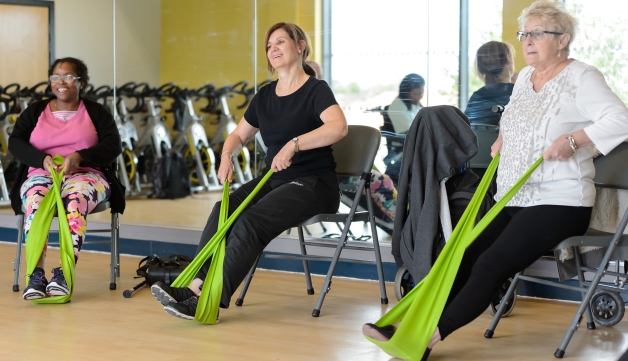 A new tool to help healthcare professionals talk to patients about the benefits of physical activity is now live
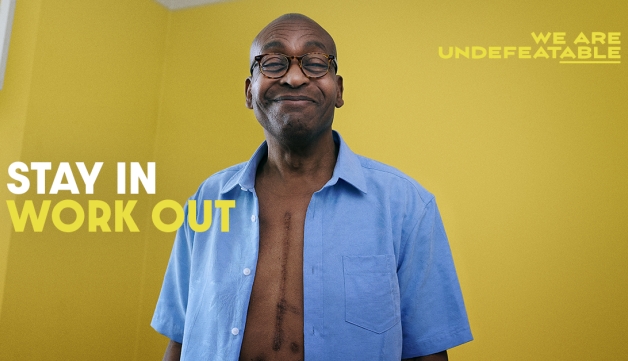 We Are Undefeatable will inspire those with long-term health conditions to build physical activity into their lives.
 We've worked with partners to develop an online course to educate coaches about mental health.