Skip to content

Taxonomy term

Content type

Health drives wealth: gyms, pools and leisure centres play a big part

January is a difficult month for many of us. It’s dark, cold, wet and the glow of the festive season feels a long time ago.

But it’s also a moment when millions of people make a conscious decision to reset – to move more and invest in their health.

That’s why January matters so much for gyms, swimming pools and leisure centres. It’s consistently their busiest month of the year and not just because of New Year’s resolutions.

But beyond the first month of the year, there is a growing understanding that physical activity is preventative medicine and that a healthy population drives a healthy economy.

The places we move are of critical importance.

Earlier this week, alongside ukactive, I visited three very different facilities in one day – across both the public and private sector.

What struck me was how similar the stories were.

Operators talked about strong footfall, rising memberships and people coming through the doors for more than just exercise.

They’re coming for health, of course – but also for confidence, connection, and support.

This feels vitally important in a time that is characterised by increasing isolation, screens and polarised views.

Spaces open to everybody

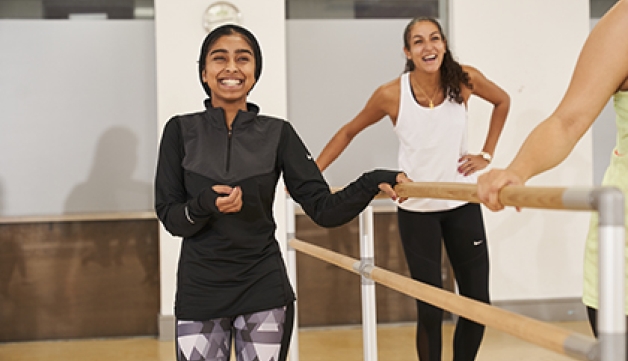
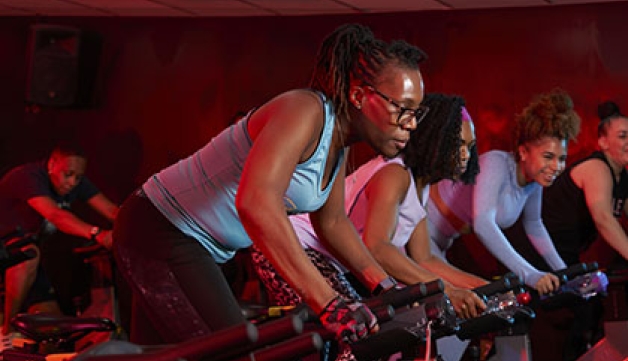
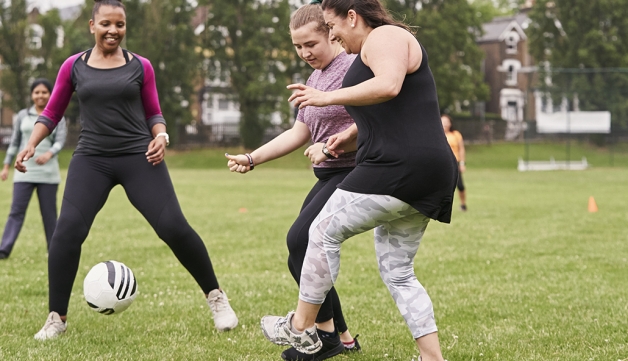
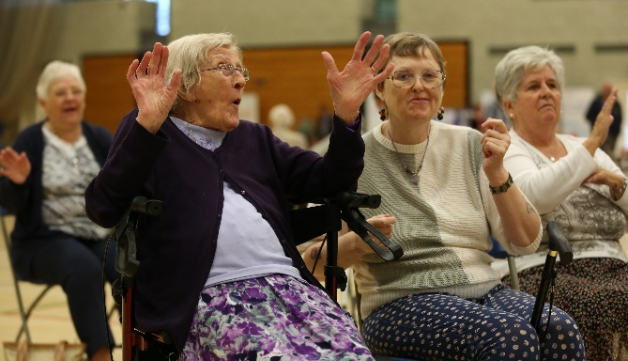
Another feature which stood out was the remarkable diversity of the people there – from teenagers arriving in their uniforms after school, to the group of retirees who had originally been referred by the next door hospital and now were coming four days a week (and spending as much time over lunch as in the class).

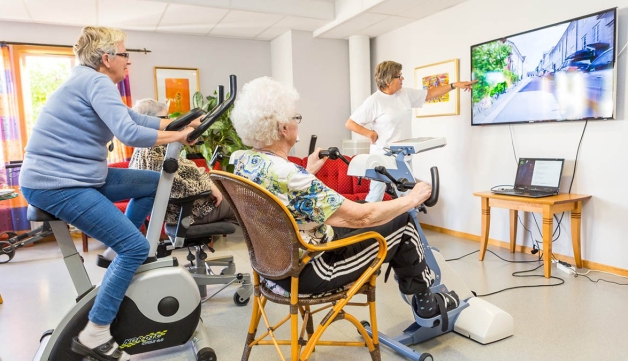
It was also fantastic to see the level of innovation and use of technology to bring health and leisure closer together – with sophisticated health checks, devising personalised programmes for each individual, linking to 'e-gyms' and other virtual support.

This is the preventative health agenda in action. It’s getting active from the ground up and it sits at the heart of our ambition at Sport England, working with our partners to help millions more people become active.

January brings this ambition to life, but the real story is what’s happening year-round.

The scale and growth of the gym and leisure sector are significant.

The UK Health & Fitness Market Report 2025 shows a record 11.5 million people are now members of a health or fitness club – up 6.1% on the previous year – with 616 million facility visits recorded, an increase of 8.2%.

These are not short-term spikes. Participation has been growing over consecutive years, supported by a unique infrastructure of public, private, large, medium and independent operators working across the country.
 

Beyond the first month of the year, there is a growing understanding that physical activity is preventative medicine, and that a healthy population drives a healthy economy.

Sport England’s Active Lives Adults survey 2023-24 reinforces this picture.

Fitness activities and swimming continue to be major drivers of physical activity behind walking, with 904,000 more adults taking part compared to the previous year.

Demand is being driven by what people value most.

Polling from ukactive shows that 77% of members join a gym or leisure facility primarily to improve their mental health and wellbeing.

People also cite better sleep, increased confidence, managing health conditions and making new friends. This is about quality of life, not just physical fitness.

We’re also seeing important shifts in who is taking part. Female participation continues to grow, particularly through group exercise and classes.

Projects like Safer Spaces to Move, delivered with This Girl Can, are helping to remove barriers and make facilities more welcoming and safer for women.

Key community assets

Our latest Moving Communities report shows participation in public leisure has increased for every age group over 45, while gym activity is rising among under-16s, over-65s and people living in the most deprived communities.

Since 2017, the number of children and young people taking part in gym and fitness activity has increased by more than 12%.

Standards matter too. Facilities are improving every year, driven by initiatives such as The Active Standard, Quest and FitCert, ensuring that quality, safety and inclusion keep pace with growing demand.

All of this sits squarely within the Government’s priorities for economic growth and improving the NHS through the 10-year plan.

Health drives wealth and the social value created by being active is immense.

The sector contributes £122.9 billion in social value each year, including £15.9 billion in healthcare savings and £106.9 billion in wellbeing value – the equivalent of £2,600 per active adult – and more than double that for people with long-term health conditions or disabilities.

We gain £6 billion in productivity, thanks to a healthier workforce that takes fewer sick days.

The sector creates £5.7 billion in revenue and supports hundreds of thousands of jobs, many for young people at the start of their working lives.

These are extraordinary numbers.

January is important. But the real opportunity lies beyond it.

Gyms and leisure centres are not just places we go at the start of the year; they – and the people that work in them – are essential community assets, powering healthier lives, stronger communities and a more resilient economy all year round.
 

Find out more

ukactive

Our hidden health clubs

When most people picture senior Black men, they don’t immediately see us smashing forehand drives, diving for edge-of-the-table shots or celebrating doubles-wins with a triumphant chest bump (yes, it happens!).

But step inside an Over 50s Black Men Forum Table Tennis Centre and you’ll quickly realise that the sport is not just a pastime – it is medicine. It is therapy. And it is comedy.

A ping-pong ball, we often say, can travel faster than a GP appointment letter, making these centres our hidden health clubs.

But behind the rallies and the laughter, there is serious work underway.

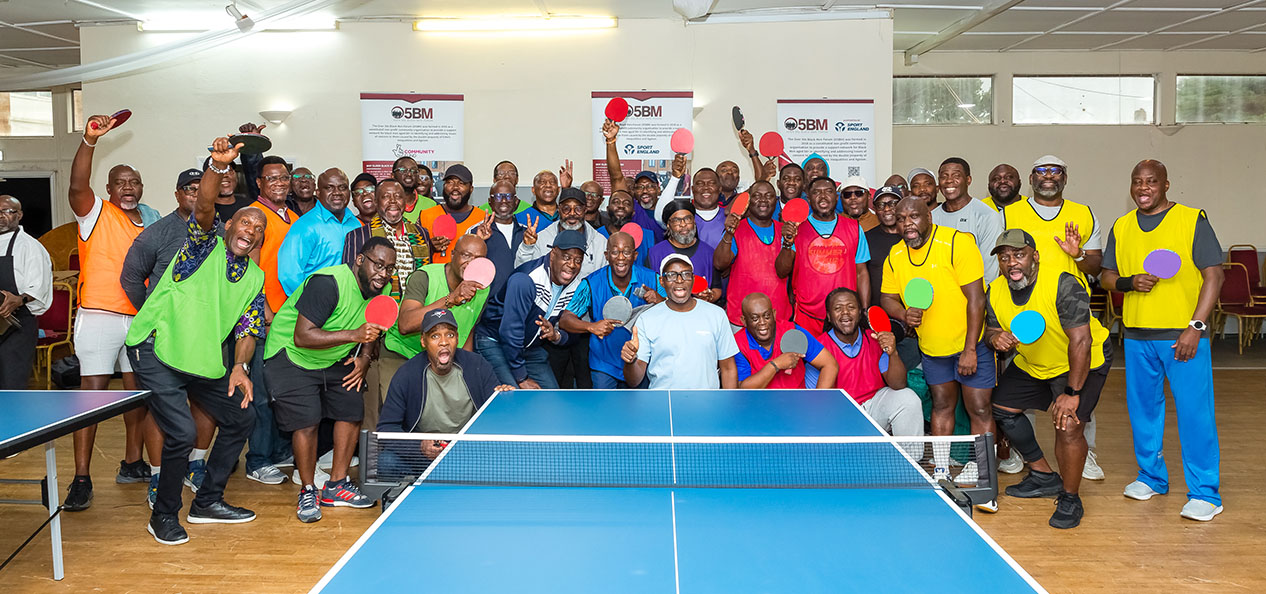
A group of Black men pose during an Over 50s Black Men Forum Table Tennis session on an indoors centre.

Our hubs are what we call 'free health clubs in disguise' and alongside the games, we often run blood pressure checks, mental health workshops and health awareness sessions.

It is a Trojan horse approach: come for the table tennis, stay for the health education.

More than sport – a building-community exercise

Men who were once isolated are now part of a supportive network and those at risk of hypertension or diabetes are keeping active, informed and monitored.

The unexpected side effects? Friendships, resilience and a lot of good-natured bragging rights.

Some say that even when they hadn’t played table tennis in years the welcoming atmosphere makes it easy to return and that now they're used to the game, they can’t imagine their Tuesday evenings without it.

Others shared that while having lived in Luton for 15 years, never before had they made meaningful connections locally and that the group is a “real treasure, especially because of its focus on health and wellbeing”.
 

When most people picture senior Black men, they don’t immediately see us smashing forehand drives, diving for edge-of-the-table shots or celebrating doubles wins with a triumphant chest bump (yes, it happens!)

A man that had survived a stroke mentioned that, as well as camaraderie and encouragement, table tennis had helped him physically by helping him improve hand-eye coordination, building his confidence and combating post-stroke fatigue.

These voices remind us that this forum is more than sport. It is hope, dignity, recovery and community.

Rewriting the narrative

Black History Month is here and the importance of rewriting health inequality narratives becomes even clearer.

Too often older Black men are described as "hard to reach”, but our response is simple: “we are not hard to reach; we are not being seen”.

The reality is stark – Black men in the UK shoulder a disproportionate burden of chronic disease.

Rates of hypertension, cardiovascular disease (CVD) and type 2 diabetes remain consistently higher than those of their White counterparts.

And we can’t forget that Black men are also more at risk of prostate cancer, so it's always a good idea to use Prostate Cancer UK’s risk-checker.

These inequalities are deeply rooted and cannot be resolved overnight, yet the work of the Over 50s Black Men Forum shows what is possible when solutions are shaped by, and for, the community.

By creating culturally-relevant, community-led, spaces we have not only encouraged men to take part in sport, but also to engage in their own health and wellbeing.

They arrive for the table tennis, but they return with their friends and, together, they build something far greater than the game itself: a hidden health club where camaraderie, wellness and dignity thrive.

Our first regional competition

This September, we hosted the UK’s first Older Black Men Community Table Tennis Competition, bringing nearly 70 men together from Essex and Bedfordshire. The atmosphere was electric!

Chelmsford proudly lifted the singles trophy, while Luton triumphed in the doubles. There were cheers, groans and more than one disputed line call.

Even Westminster took notice and Sarah Owen, MP for Luton North, celebrated her local players with a shout-out in Parliament.

Table Tennis England joined us in the hall, the Mayor of Luton presented trophies and the Sport England logo stood proudly across the venue.

It was more than a competition; it was a statement that older Black men belong in the story of sport, health and community.

Serving the future

We are proud of what has been built so far, with seven hubs running and more on the way. But this is just the beginning.

Our vision is to embed these centres nationwide, creating a network where sport and health go hand-in-hand for older Black men.

And the best part? The model is replicable!

What works in Luton can work in Leeds and what works in Southend can work in Sheffield, because at its core, this is not just about table tennis.

It is about dignity, community and the belief that everyone deserves the chance to live longer, healthier and happier lives.
 

The game improving everybody’s lives

Since 2018, we’ve worked with Sport England towards a healthier, more inclusive society.

Becoming a system partner in 2022 has allowed us to develop a more direct relationship with local communities, which in turn has help us create stronger partnerships and drive large-scale impact.

Through collaboration, Beat the Street evolved from a game into a community tool, improving public health through cross-sector partnerships and local engagement.

Beat the Street allows partners to engage across a community by working closely with people, local organisations and assets, such as parks and canals, to make a shift in behaviours and attitudes in order to deliver positive, lasting change.

At its core, Beat the Street is a free, real-life game designed to encourage people to move more, explore their local areas and connect with their communities.

Its purpose is to connect people to each other and their place and it works as a major event where the participants are the residents – whether these are adults or children.

Participants of the Beat the Street programme pose with the cards on the street.

The game takes part in social institutions – schools, workplaces and community groups – where people compete on leaderboards and have fun in the process.

In order to take part, participants register providing demographic and attitudinal data on how they move and how they feel about their place and their community.

Policy and practice

Our system work has helped us articulate the value movement and social connection have for people and our planet.

We believe that our social nature is core to us as humans and activity, civic or physical, can enable us to connect and thrive.

It also makes us care more about our environment.
 

At its core, Beat the Street is a free, real-life game designed to encourage people to move more, explore their local areas and connect with their communities.

We also believe that health is created in and by communities and that our role is to create the supportive conditions to enable it. 

We use our Sport England system partner funding to champion policy asks to improve health through movement, using insight to make the case and working closely with many partners to build a unified voice.

For 2025, our policy priorities are underpinned by these beliefs and the vision for a better future that must include children’s voices.

In a nutshell, our policy focus includes:

  • creating healthy childhoods
  • activating healthy and engaged communities
  • designing healthy places
  • nurturing thriving, natural environments
  • walking, wheeling and cycling towards an active nation.

Driving systemic change at scale

We use our delivery funding to unlock local funding and support from public health, transport and integrated care board partners for places. 

With at least 10% of the local population taking part, Beat the Street builds a narrative on how good health could be, with everyone working together with a clear purpose, using the programme as a platform to prototype new ways of working in a place.

The evidenced behavioural change continually benefits the participants well beyond the intervention, with positive outcomes lasting at least two years and possibly longer.  

There is so much positive activity already happening in place, but it often is in siloes.

We now see that Beat the Street’s galvanising mechanics bring partners together, supporting policy and professional practices.

The programme also surfaces rich data and marginalised voices tackling structural inequalities by working with local institutions and assets, plus it enables people to act in ways that strengthen them both as individuals and their roles in the community.  

We understand that Beat the Street's real impact is in social connection, increased feelings of belonging and trust across a place.

Ultimately, the programme has shown that even small, sustainable steps toward active living can have lasting impacts on community health and social connectedness.

This sustainability manifests itself in three key ways:

  • Shared purpose – there is value and energy in bringing partners and community together, developing collective purpose.
  • Insight-led direction - using insight to inform next steps.
  • Behavioural change - building trust, sense of belonging and agency for citizens that enable small changes in daily behaviour, now and in the future.

We're really proud of what the programme has achieved so farTo date, Sport England’s Beat the Street has engaged 754,000 participants.

The programme has:

  • achieved 10% of population engagement on average, comprising 48% adults and 52% children.
  • reached a third of participants (27%) belonging to areas of Index of Multiple Deprivation (IMD) 1 and 2 (the two most deprived areas in a classification of five areas in England). Out of the people reached, 69% are women and 19% have disabilities or a long-term health condition.
  • engaged with 1042 schools, 1133 community groups and workplaces.

In terms of behavioural change, the data from 31,461 matched pairs across 31 Sport England games shows an average 9% decrease in adult inactivity and 7% reduction in proportion of less active children.

However, the greater change was seen in adults with a disability or long-term conditions, showing an 18% decrease of inactive adults and, for girls, a 9% decrease in less active.

But the impact goes beyond just physical activity as Beat The Street fosters social interaction, strengthens community ties and improves mental wellbeing.

We will also continue to work across the country, including a return to Burnley for the third time as they use Beat the Street to drive forward their collective Outdoor Town vision.

It’s been an incredible journey and eight years in it feels like we are only getting started!
 

Find out more

Beat the Street

A personal campaign against diabetes

November is National Diabetes Month, which brings us an opportunity to consider those living with this long-term health condition.

Without intervention and management, diabetes can limit a person's life satisfaction and can affect all sorts of opportunities including the enjoyment of work and leisure.

According to Diabetes UK, nearly 10% of the Blackburn with Darwen population has this long-term condition and more people have been diagnosed with it in the borough than anywhere else in the North West.

An old gentleman is seen bare chest and witha swimming cap on with an indoors swimming pool behind him. The words" Diving in at the deep end." appear to his right and behind him and over a yellow rectangle on the bottom left it says "Blackburn with Darwen" and then on the bottom right the copy says "Proudly supporting We Are Undefeatable" and the suffix "able" is underlined.

Research by the NHS shows that people who move less are more likely to develop Type 2 Diabetes and that physical inactivity is responsible for an estimated 15% of diabetes cases.

On top of that, last year's Active Lives adults data show that people across Blackburn with Darwen are significantly less physically active than the national average with only 58.5% of people doing 150 minutes a week of physical activity in this borough, compared to the national average of 63.4%.

We also know that inactivity is one of the key factors driving premature mortality from non-communicable diseases in our area, including cardiovascular disease, diabetes, respiratory diseases and cancers.

And thirdly, we knew that there was so much we could do to support our residents living with diabetes and other long-term health conditions and that physical activity had a huge part to play.

Without intervention and management, diabetes can limit a person's life satisfaction and all sorts of opportunities including the enjoyment of work and leisure.

So in June 2024 we began working with Blackburn with Darwen Borough Council and other partners to bring We Are Undefeatable to communities across our region.

We Are Undefeatable is a national behaviour change campaign which encourages people with long-term health conditions to stay active.

Exactly what we needed!

But we wanted it to really resonate and to have maximum impact and for that we needed to make the campaign relevant to our residents.

Combining national efforts with local faces

Developed by 15 leading health and social care charities and backed by The National Lottery funding from Sport England, We Are Undefeatable supports people with a range of health conditions, including (but not limited to) arthritis, Alzheimer’s, asthma, cancer, dementia, heart disease and diabetes.

Through We Are Undefeatable, we wanted to support our residents living with these long-term health conditions to lead a full life and to show them that they can actually improve their physical and mental wellbeing by being active.

So, together with partners across the borough, we sought to localise the campaign by featuring Blackburn with Darwen residents living with these conditions and signposting others to local services. 

We created bus shelter adverts, images for digital screens in the town centres and a social campaign across multiple accounts and platforms with pictures of our residents living with long-term health conditions being active, and – more importantly  feeling the benefits derived from it.

From boxing and wild swimming to cycling and walking, these inspiring individuals showcased the diverse ways to be active, regardless of their condition.

One of these residents was Ralph. 

Ralph has had two heart attacks, a heart bypass and lives with Type 2 Diabetes, which led to him becoming visually impaired.

In films, photos, in print and online, we showed that Ralph loves to swim and how he walks whenever he can to keep as active as possible.    

This approach is working! 

We’ve seen the power of a localised health initiative, in partnership with a national campaign, to help tackle and reduce health inequalities in our borough.

Working together, we took a whole-systems approach to tackling physical inactivity.

We engaged all stakeholders, including council and health leaders, community, voluntary organisations, the wider public sector, private business and local communities themselves, to make a significant difference to the health and wellbeing of our residents.

Using data-driven insights, including population health data at ward-level, and collaborating with a diverse array of partners, the campaign has gone above and beyond initial expectations and made significant impacts in targeted communities.

The collective strength that resides within our communities is inspiring and empowering.

Through localising We Are Undefeatable and through people like Ralph, we’ve shown the transformative power of collaboration and how together we can create a culture of health and wellbeing in Blackburn with Darwen and beyond.
 

Driving health and wellbeing through movement

Last week, I chaired a roundtable of leaders and experts at the House of Lords exploring how the NHS can better utilise movement and exercise to meet its current challenges.

The occasion was hosted by Baroness Amanda Sater, a committed advocate for young people’s participation in sport.

It was a rich and wide-ranging discussion with contributions from NHS England, MPs and peers from both sides of the bench, primary care and public health specialists, health charities and movement, sport and exercise organisations.

The importance of our personal experiences

I kicked off the conversation with the reflection that each person’s experience of movement, health and wellbeing is different.

Our experiences are impacted by the community we live in and how we engage with professional services, and they also depend on a wide-ranging, skilled and well-equipped workforce.

A group of experts gather at the house of lords to discuss health and wellbeing at a meeting in the House of Lords, in London

When my son (who is now an 11-year-old fanatical football player) was born, the care I received in my local hospital included routine care, emergency intervention and six days of recovery on the ward.

My extended recovery included all the follow up you'd expect but it was enhanced by daily walking my buggy in our local park - a green space five minutes from home.

Later on, I joined a regular ballet class in a close-by church hall, which helped me with physical and mental recovery.

So, in my case, the healing process was helped through a mix of personal, community and professional engagement. Every part of this process had a distinctive role in my recovery and I wouldn’t remove any of it.

During last week’s discussion, I was struck by the fact that the opening remarks, including contributions from Lord Nick Markham (Lords Minister for Health and Social Care) and Kim Leadbeater MP (Chair of the Sport All-Party Parliamentary Group), touched on personal reflections on the role and impact of movement, sport and physical activity on our own lives.

Our experiences are impacted by the community we live in and how we engage with professional services, and they also depend on a wide-ranging, skilled and well-equipped workforce.

This reminded me that active people are the best advocates for getting active.

There was a strong echo of this point as we discussed how supporting the NHS workforce to get active themselves could be a significant way to unlock a movement to encourage patients to increase their activity levels.

Opportunities for change

Our national partnerships lead, Suzy Gardner, presented what we refer to as the three key opportunities for change – working with the NHS, changing attitudes to risk and making the most of physical activity to improve mental health.

In response to these, the group discussed:

  • The need to work together more, to speak as one voice with a clear message.
  • How GPs are reimagining primary care services.
  • The need for training and development for health practitioners.
  • The significant benefits and some of the limitations of physical activity for individual and community health.
  • The opportunity to work locally and hyper-locally to create health and wellbeing services that blend primary care, community connection and opportunities to move more.
  • The need for full participation of children and young people in driving change with us.

The premise of our discussion was that, given the strength of evidence, physical activity can be better utilised as a tool to help deliver key health outcomes and priorities, helping to reduce the challenges the health system is currently facing.

It was only a few weeks ago that we were celebrating the 75th anniversary of the NHS, and the  transformation and changes needed to enable it to weather the extreme strains it's under.

The UK Chief Medical Officers were most eloquent when they compared physical activity with “a miracle cure” because of all the illnesses it can help prevent and treat.

This is a reference we’ve used in the past in our work and it appeals to the core of our long-term strategy, Uniting the Movement.

We know that, even in small amounts, moving our bodies is beneficial at all stages of life, particularly for the most inactive individuals where the greatest health gains can be made.

We also know that individuals and communities want support, with one in four saying that they would get active if told to do so by their doctor or nurse.

And this is just the tip of a growing evidence base!

Social prescribing and sound advice from health professionals are key to shifting people’s habits but significant structural barriers remain.

Overcoming these requires all of us to be brave in designing services that cut across traditional institutional boundaries and keep people at their heart.

Working together 

At Sport England, we want to accelerate and amplify the work we have done with partners in this space.

Our resolve to build a coalition of allies that can help us advocate for the value and role of physical activity, to improve the population's health and to help reduce health inequalities is stronger than ever.

But this is not work we can do alone – we need trusting, long-term partnerships.

Our key priority moving forward is to work closely with partners and places to continue to understand the key policy changes required that can enable the right conditions for physical activity to integrate, particularly through local integrated care partnerships and boards.

It was clear in the room that we’re starting to build momentum for change and we finished the round table by committing to take action together.

We are really excited by the opportunities that lie ahead and will continue to evolve our approach and our coalition of partners to strengthen the connections between sport, physical activity, health and wellbeing.

Further reading

Our blogs on health

Disconnected from physical activity

We live in a world where our digital and physical lives are entwined.

We take for granted how much we do online, from everyday shopping to booking holidays, to managing our health or contacting a GP.  

Many of us have come to accept the digital direction and we either appreciate it making our lives simpler, like getting deliveries to our door; or tolerate it as things we just have to use, like mobile pay-and-go parking apps.

But what about people for whom this isn’t the norm? those who are not part of this digital revolution? For some, 'digital' is a divide that is leaving them behind, isolating them, and creating an unequal society.

That’s why when I read the Lloyds Bank 2022 Consumer Digital Index, which quantifies how digitally connected we are in the UK, it made me sit up and take note.

Acknowledging the digital divide

This study highlights that whilst more people are venturing online, the major problem is that one in five people, over 10.2 million of us, lack the digital skills to do the basics, such as connect to a Wi-Fi network or open a web browser.

Worryingly, this figure has remained largely static despite the uptake of digital technology during the pandemic.

Those most at risk are older adults, disabled people, and people who are unemployed or on low incomes.

These sections of our society also stand the most to gain from being physically active, so we don’t want to, unintentionally, create a digital barrier to them achieving this.
 

For some, 'digital' is a divide that is leaving them behind, isolating them, and creating an unequal society.

The digital divide is caused by barriers such as a lack of digital skills, but also low access to devices, internet connectivity and poorly planned accessibility for disabled people.

So this is something we want to highlight and make sure we help overcome by using the right approaches to help people engage with sport and physical activity, be it with non-digital or digital skills support, to ensure no-one is left behind.    

We have explored alternatives to digital support in campaigns like We Are Undefeatable and TV and tabloid press have been highlighted as good alternatives to reaching people who are digitally excluded.

But if we agree digital platforms are useful and go with the digital direction of travel, we need to be teaching people the skills to use them.

This is a strong need, not only from a human perspective, but also from an economic one.

The benefits of being online

The Centre for Economics and Business Research has calculated that just shy of £10 of economic profit is achieved for every £1 invested in digital skills.

The problem is that traditional digital skills courses sometimes overlook the importance of teaching people how to use digital platforms to be physically active - be that by finding things like equipment, booking pitches or using online workout platforms.

But a good example of solving this issue is the Get Out Get Active initiative. This campaign provided activity sessions for disabled people alongside digital skills sessions to help them grow in confidence and find other suitable activities.

This is the kind of blended approach that we need to follow to make sure everybody is able to make the most of any digital opportunities.

A woman checks her phone during a weighlight session in an indoors gym

So in addition to teaching people digital skills, we also need to keep things simple and easy to use in the first place.

This is a preference that’s backed by research from Beyond Empower, an organisation in Greater Manchester that works to make activity, health and general life more accessible and inclusive for disabled people.  

According to their study, seven out of 10 people preferred the simplicity of platforms like Zoom and YouTube for online activity classes.

Closing the gap

I have raised my concerns about the digital divide and how it could be an issue for people getting physically active, but I can’t articulate the damaging impact of the digital divide on people’s lives better than award-winning poet Sophia Thakur.

As she puts it “the (digital) divide is beyond costly”.

It can be a hugely negative impact on a person’s life, through increased isolation and lack of access to services, which can lead to poorer health outcomes and a lower life expectancy.

I recommend watching her performance ‘The Divide’, which was part of an initiative earlier this year with Vodafone to highlight the impact of being disconnected.

Fortunately, action is underway to close the digital divide.

Organisations like Good Things Foundation are leading with national initiatives like the Network of local online centres that run digital skills courses, devices are available to those who need them from the National Device Bank and free data is provided by the National Data Bank.

But these national initiatives aren’t enough to solve the whole problem and, as we know, a lot of the time sport and physical activity can be an afterthought.

At a local level we need to be mindful of digital inclusion and be considerate of people that could be excluded when running a club, a class or an activity.

And if we do expect people to go online to book, find information or communicate, we should be supporting people with learning the digital skills to do so or partnering with local digital support services to make sure help is at hand.

Further reading

If you would like to learn more about digital inclusion and those working to close the digital divide I would recommend the following organisations and resources:

Using research to get personal

As people, we love stories. We find them easy to connect with and provide us with the opportunity to consider different perspectives to our own, allow us to learn and can strengthen or challenge our opinions.

That’s why, when we decided to conduct research to understand people’s attitudes and behaviours connected with sport and physical activity following the easing of the Covid-19 pandemic restrictions, we opted to use video ethnography and create a series of short stories captured on film.

What's ethnography?

For those who are less familiar with ethnographic research, it is a method whereby researchers learn about, and observe a person, or a group of people within their own environment such as at home or within their local area.

Using this approach allowed us to gain a holistic overview of people’s lives and explore the role of sport and physical activity played within them.

We commissioned Ipsos to conduct ethnographic research with five people (Andy, Usman, Margaret, Stuart and Aleesha).

Ethnographers spent a day with each person and their household, observing what they did and conducting interviews whilst capturing everything on film.

When analysing the footage, we considered the different aspects of each person’s life: physical, mental, social, financial and environmental and how these aspects interact with health.

The stories captured in this research explore different themes, such as: people’s relationship with space and their local area, understanding what influences and motivates them to move, how they deal with disruptive moments and the role physical activity plays in their lives contextually.

We've produced four videos exploring each of these themes, a summary and a research document detailing what we learned.

Perhaps this research has sparked your curiosity and you’d like to understand more about using ethnography as a research method and what we learned applying it?

If so, please contact me by email on [email protected].
 

What matters to you? The rise and rise of social prescribing

Today is Social Prescribing Day. It’s a chance to showcase examples of great work taking place and people’s stories.

Now, many will have heard of social prescribing, been involved with it (some for many years, decades even!) or be working out the role they can play in it.

With a focus on reducing health inequalities, meeting people where they’re at and helping connect physical activity with health and wellbeing, there's a clear alignment with our Uniting the Movement strategy.   

But don’t worry if social prescribing still feels a bit of an enigma – it’s a complex landscape with many organisations involved, spanning different sectors.

Local approaches can also look slightly different from place to place, so...

What is it?

Social prescribing focuses on “what matters to you?” rather than “what’s the matter with you?"

We know that quite often social needs are at the heart of issues seen in primary care and that local community activities and services – as opposed to medication – can help.

It’s been estimated that around 1 in 5 GP appointments are primarily for a social issue – not a medical problem or concern

This is where social prescribing comes in, often supporting people with more complex needs and focusing on what really matters to them.

It enables health and care practitioners, as well as other local agencies, to refer people (or sometimes people self-refer) to a national network of link workers, who get to know the individual, learn about their circumstances and help them access a service based on their individual needs and wishes.

The NHS aims to recruit 4,500 link workers by 2023 and it's this depth of support that differentiates social prescribing from the likes of brief advice or signposting.

Who's supported by social prescribing?

Some headlines from the National Academy of Social Prescribing's (NASP) Academic Partnership suggest:

  • There are nearly twice as many women than men accessing social prescribing
  • The highest proportion of people accessing it were retired or unemployed
  • Individuals with long-term health conditions access social prescribing more than the general population.

While, in terms of people's social needs, the most common reasons for referral to social prescribing were:

  • Symptoms related to anxiety and depression
  • Exercise-related
  • Issues relating to work or finances
  • Being frequent attenders at primary or care services
  • Isolation and loneliness
  • Related to specific physical health complaints
  • Struggling with life changes.

So what impact is social prescribing having?

The headline is that: social prescribing has an impact on a very wide range of outcomes, including decreases in loneliness and improvements in mental health and wellbeing, as well as social connections and in overall wellbeing.

Data shows there are strong levels of referral into local physical activity programmes, particularly so for the 65+ age group and for those living in the most deprived areas.

In terms of economic impact, there are emerging examples of reduced pressure/cost saving to primary care alongside a favourable Social Return on Investment (SROI).

How is the social prescribing agenda being supported?

There's a wealth of fantastic work taking place to connect people with a range of needs to local opportunities that help them to move more and connect with others.

It’s helping build strong relationships between public and voluntary sector partners – which of course includes many sport and physical activity opportunities.

Does this mean we have all the answers yet? No.

Is there a collective sense of commitment, ambition and opportunity for this work, with bundles of passion? Absolutely.

In fact, we’re learning a lot, such as how a common purpose is key to building trust across this complex system and the importance of ‘place’ being at the heart of this work.
 

Some examples of how we’ve supported this agenda include:

National Academy for Social Prescribing

We’ve provided strategic capacity and leadership that ensures physical activity continues to be a key pillar of this work.

NASP

Regional physical activity and social prescribing advisors

Helping bridge local to national working, each advisor is hosted by a local organisation, responds to the unique system needs of that region and has a primary focus on supporting voluntary sector partners. See below for the list of advisors.

Green social prescribing programme

A cross-government programme being tested across seven areas, aims to prevent and tackle mental ill health. Sport England has invested as a national partner to this work and each site receives physical activity support.

Green social prescribing programme

Active Through Football

Working in partnership with NASP, the English Football League Trust and the Football Foundation to provide a learning programme for clubs helps understand and respond to local health and care priorities.

Active Through Football

We’re also supporting work led by the Department for Transport around Active Travel Social Prescribing Pilots and our colleagues at ukactive are navigating the important role that the fitness and leisure sector can play through their Leading the Change report.

Want more information?

The NASP website is a great please for people to find out more and join networks of like minded organisations.

You can also speak to your local Active Partnership, who might be able to help with any queries or ways to get involved on a local level.

Or you can liaise with one of the regional advisors:

Introducing Essex's Prevention and Enablement Model

The population of Essex is ageing.

People are living longer with more complex needs and health and social care organisations need to think differently about how to manage this growing demand.

As people grow older the risk of developing health complaints and long-term health conditions increases; yet many older people in Essex are inactive, increasing this risk even further.

Each community in Essex offers a wealth of assets, activities and opportunities for people to connect and engage with.

However, those with additional needs often feel excluded from their local community and become isolated or increasingly dependent on their loved ones.

We know that sport and physical activity brings people and local communities together.

It creates focus and has the power to generate networks, friendships, improve confidence and promote a healthy lifestyle, both in terms of cardio-vascular health, but also diet and nutrition.

Each community in Essex offers a wealth of assets, activities and opportunities for people to connect and engage with.

However, many older people and those who have additional needs, don’t engage in sport or physical activity, and often have limited daily activity or interaction with others.

Active Essex, Essex County Council Adult Social Care and Sport for Confidence have developed a strategic partnership to look at how to create opportunities for disabled people and those living with long-term health conditions, to be active and engage in sport and physical activity within their community.

Initially a 12-month test and learn project funded by the Essex local delivery pilot, the prevention and Enablement Model (PEM) is now in its second year of testing due to the disruption of Covid-19 with further finance investment from Adult Social Care.

The diagram below outlines the key aims and workstreams of the project.

Illustration of Essex local delivery pilot's Prevention and Enablement Model

The initial findings from the six-month evaluation report published in March 2021 show that:

  • From early, indicative data, we see that PEM has the potential to lift the wellbeing and activity levels of a disabled person to levels similar to those reported by non-disabled people.
     
  • PEM service users also self-reported health levels higher than disabled people in the Active Lives survey.
  • Of those staff exposed to early PEM training, we saw a sixfold increase in the confidence of the occupational therapists advising service users on the impact of inactivity.
  • PEM has the potential of being a socially desirable investment, delivering about £3 of social value per each £1 invested.

PEM is providing a great opportunity for the sport and physical activity sector to better understand adult social care, how the system operates and the challenges it faces, but also where the opportunities are for collaboration

Co-production has been at the heart of the project from the start, building on asset-based community development work and ensuring the user voice is heard throughout.

The journey has started positively and despite the impact from the pandemic, PEM is primed to make an even more significant difference to the lives of people living with a disability or long-term health condition, over the course of the next year.

Listen to their story

In addition to Kelly's blog, the team behind PEM have also produced an audio version of the story behind PEM.

Kelly introduces a half-hour listen on PEM, including interviews clips with a number of people key to the model's development.

Our open call - enabling change in a crisis

On Wednesday 10 June we launched our first open call for innovative solutions and we’ve received a great response so far with more than 400 proposals.

We’re seeing everything from tech to non-tech, from Cornwall to northern England and from charities to individuals.  

We’ve been so inspired by the response that we’ve extended our open call to noon next Wednesday, 1 July.  

An outdoor gym taped up because of coronavirus

It gives us confidence that many others believe, like us, that now is the time to act, innovate and do things differently to affect positive change. We feel the positive response is also reflective of our deliberate design of the process to make it as inclusive as possible and to embed our new organisational values in how we do things.

How is the open call different?

Our usual approach would be to announce a fund and encourage people to apply against a set of criteria. But we didn't think that was the most appropriate way to hear about the innovation that’s happening to help people and communities who have been hardest hit by the pandemic.   

The open call is all about starting a conversation with local people and organisations about how they could help solve one of three key challenges. The next step is how we can support them to deliver on this ambition.  

We wanted to remove as many barriers as possible to that conversation. For example, we’ve been conscious and deliberate in the way we’ve designed the online form, including its structure, the number of questions and the language used. And we’ve provided a captioned video to ensure the call is as inclusive as possible.  

This open call is our first step to doing things differently to support even more innovation that removes barriers and inequalities stopping people from getting the benefits of physical activity. We are going to learn loads, and while we won’t be able to support every idea, we are excited about how we can build on this in the coming months. 

What’s on offer?

We are offering more than just money – we are opening access to our connections, advice, research and insight, as well as the possibility of a small amount of funding. We don’t just want to put money in a place and step away. We want to support a group of 15-20 organisations that can learn and guide each other over the next six months.   

We are keen to connect with industries and sectors that may never have heard of us in order to build collaborative relationships, rather than just being seen as a funder.

Who’s it for?

This open call is all about reducing inequalities and this can’t be stressed enough. We want to hear about solutions that have been designed for one or more of the following groups: women, people on low incomes, older adults, people from BAME backgrounds, disabled people or people living with long-term health conditions.

We are focusing on these audiences because our data tells us people who identify with one or more of these categories were already less active before coronavirus (Covid-19) and have subsequently been hit hardest by the crisis.  

The strongest proposals we are seeing so far are already working with a local community that matches our priority audiences. 

What do we want to see more of?

Lots of people are contacting asking us what the criteria are. We purposely didn’t publish any, but we understand it is sometimes helpful to know if it is worth your energy in submitting a proposal. So to help guide you, we are really keen to see proposals that hit the sweet spot of these three things:

  • It solves one of our challenges
  • It’s specifically targeted at a community or audience we care about
  • The solution is right for both the challenge and the audience.

We would like to discover more solutions that are tackling the digital exclusion challenge. And we would like to hear more from individuals and organisations that are working with people with long term health conditions, disabled people or older adults.  

If you, or someone you know has a solution that helps people who are experiencing changes in circumstances, mental health problems or digital exclusion as a result of coronavirus, we want to hear from you by noon on Wednesday!

Physical activity during lockdown: the story so far...

Over the last six weeks, we’ve published a weekly survey by Savanta ComRes that reveals the public’s behaviours and attitudes towards sport and physical activity during the coronavirus lockdown.

The findings have directly informed our response to the pandemic and, with the country taking its first tentative steps out of full lockdown, it’s a good time to take stock and consider the story so far.

Disruption, but a new appreciation of being active

It’s clear that being active still matters to people – now perhaps more than ever.

Overall, activity levels have held up throughout and we’ve seen many people resiliently and resolutely choose to stay active in whatever way they can.

Feelings and motivations have wobbled but stabilised and, for many, the virus has been a stark reminder of the intrinsic enjoyment of being active and the benefits it brings.

As sport shut down and clubs and facilities closed their doors, the lockdown became an opportunity (if not a necessarily welcome one) to try new things and build new habits and experiences.

Indeed, many people told us that they have discovered walking, jogging and cycling and they want to continue these beyond lockdown.

New habits, but the same inequalities

However, looking below the surface we see familiar inequalities replicated, even exacerbated.

The whole population has been affected, but not affected equally.

A person’s gender, affluence, ethnicity, disability and age all have a huge impact on their likelihood to be active and the demographic groups and audiences we were focusing on prior to the pandemic are still finding it harder to be active.

Our survey shows that females and people with longstanding conditions are less likely to say they enjoy solitary exercise and are also more likely to worry about leaving their homes to exercise.

Females place a greater importance on being active during the pandemic, yet are more likely to feel their exercise regimes have been disrupted.

Those aged over 55, with a longstanding condition, or from less affluent groups, are less likely to say they’ve found new ways to be active during the lockdown and are less likely to say they are exercising to help with their physical health.

On top of this, these groups feel less able to be active, are finding it less enjoyable, and are placing less importance on regular exercise.

Activity across ethnicity – a complex picture

Looking across ethnicity, the findings are more complex but just as interesting.

People from a White background were most likely to have been active for at least 30 minutes on five or more days, despite their motivations being notably lower than for other ethnicities.

Mixed, Asian and Black ethnicities are all more likely to feel they are doing more activity during lockdown than before, yet this doesn’t appear to be translating into more regular participation on five or more days.

People from a Chinese background, however, appear to have the lowest motivations, being least likely to say they enjoy physical activity and that it’s important to exercise regularly.

A women skips in the park

But there’s plenty to build on here.

People from Mixed, Asian and Black backgrounds were more likely to agree with the five COM-B statements about capability, opportunity and motivation that affect behaviour and were more likely to have been encouraged to exercise by the government guidance.

They’re also more likely to say they have found new ways to be active since the outbreak.

Looking across all of these less active groups, many of the current barriers and challenges aren’t new, but they’re now compounded by further ones specific to the situation.

For example, across the whole population we can see that people living alone, people without children in the household, and people without access to outdoor space, have all found it harder to be active.

Again, everyone is affected, but not everyone is affected equally.

The story goes on

So, what are the implications as we move forward?

It’s clear that while many have found ways to be active, many others have had yet more barriers put in their way.

What we learn now, about both sides of that equation, will give us crucial insight as we respond to and ultimately move out of the current crisis.

We’re also inviting you to find and tell your own stories with the data we’ve collected. We’ve launched a new interactive Power BI tool where you can explore and analyse the data yourself.

We’ll be adding new waves of data to this each week so please check it out, have a go, and share what you find with us at [email protected].

Why this Active Lives report is still very important

Today, we released our latest Active Lives Adult Survey report covering the 12 months from November 2018 to 2019.

It gives us a glimpse into a world before the unprecedented disruption caused by coronavirus and the social distancing guidelines, and indeed the floods, which were so widespread towards the end of 2019 and into early 2020. 

We’re all experiencing significant disruption, and I don’t think any of us were surprised to see the impact it is having on sport and physical activity come through via our weekly Savanta ComRes Survey

So far, that disruption is not impacting the collection of data for the Active Lives Adult Survey, so the next set of results in October 2020 will be even more fascinating... if that were possible!

But what of today’s results? And are they still relevant? The simple answer is yes.

They provide their usual comprehensive view of what was happening, where we were seeing success and where we need to continue to work hard to address inequalities.

It’ll help shape future decisions and influence policies that will help our sector recover from the impact of coronavirus. 

Overall, the report reveals a positive picture.

It shows there was an increase of just over 400,000 regularly active adults in England, with a record high of 28.6 million taking part in at least 150 minutes of moderate intensity physical activity a week.

During this period, there was also a drop in the number of inactive adults of 159,500, and once again, the majority of that reduction is driven by women.

The results also show the continued growth we were seeing in the numbers of regularly active adults with a disability or long-term health condition – including those with multiple or more complex conditions.

This is especially pleasing as it suggests the We Are Undefeatable campaign has had a positive impact on activity levels. 

I was also pleased to see a further reduction in the gender gap, and strong growth in participation for people aged over 55.

However, although there is no change in the activity levels of those from lower socio-economic groups, it remains the case that activity levels amongst adults from less affluent families are still significantly lower than those who are well off, and activity levels differ significantly when comparing adults from different ethnic backgrounds.

We’ve also seen a decline in activity levels of people aged 16-34, and with the numbers regularly active falling by 265,100 and the numbers inactive increasing by 176,600, there is a suggestion that the change is being driven by people shifting from active into inactive.

Reengaging this group will be a major challenge and one of the priorities for the sector in the months and years to come.

Today’s release provides the latest picture of volunteering and the continued positive association between engaging in sport and physical activity and mental wellbeing, individual and community development.

It also, for the first time, looks at loneliness and its relationship to how active we are.

Perhaps unsurprisingly, the results show active people are less likely to feel lonely than inactive people, an important message to reinforce in this most difficult of times.

You've viewed of items.