
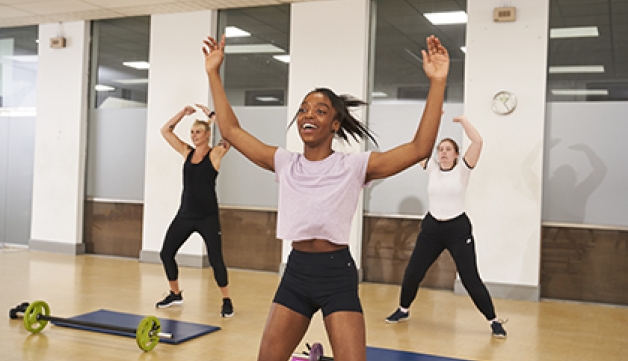
 The This Girl Can campaign worked with ukactive to help facilities better communicate policies on harassment and intimidation.
January is a difficult month for many of us. It’s dark, cold, wet and the glow of the festive season feels a long time ago.
But it’s also a moment when millions of people make a conscious decision to reset – to move more and invest in their health.
That’s why January matters so much for gyms, swimming pools and leisure centres. It’s consistently their busiest month of the year and not just because of New Year’s resolutions.
But beyond the first month of the year, there is a growing understanding that physical activity is preventative medicine and that a healthy population drives a healthy economy.
The places we move are of critical importance.
Earlier this week, alongside ukactive, I visited three very different facilities in one day – across both the public and private sector.
What struck me was how similar the stories were.
Operators talked about strong footfall, rising memberships and people coming through the doors for more than just exercise.
They’re coming for health, of course – but also for confidence, connection, and support.
This feels vitally important in a time that is characterised by increasing isolation, screens and polarised views.
Spaces open to everybody
Another feature which stood out was the remarkable diversity of the people there – from teenagers arriving in their uniforms after school, to the group of retirees who had originally been referred by the next door hospital and now were coming four days a week (and spending as much time over lunch as in the class).
It was also fantastic to see the level of innovation and use of technology to bring health and leisure closer together – with sophisticated health checks, devising personalised programmes for each individual, linking to 'e-gyms' and other virtual support.
This is the preventative health agenda in action. It’s getting active from the ground up and it sits at the heart of our ambition at Sport England, working with our partners to help millions more people become active.
January brings this ambition to life, but the real story is what’s happening year-round.
The scale and growth of the gym and leisure sector are significant.
The UK Health & Fitness Market Report 2025 shows a record 11.5 million people are now members of a health or fitness club – up 6.1% on the previous year – with 616 million facility visits recorded, an increase of 8.2%.
These are not short-term spikes. Participation has been growing over consecutive years, supported by a unique infrastructure of public, private, large, medium and independent operators working across the country.
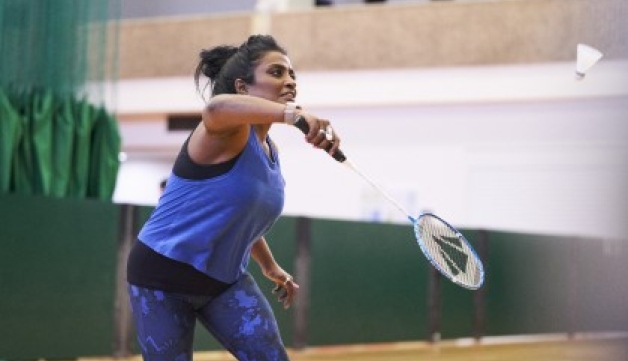 The figures come from our latest Moving Communities report, which also shows an increase in women using the facilities, quality of facilities and highlights their value to society.
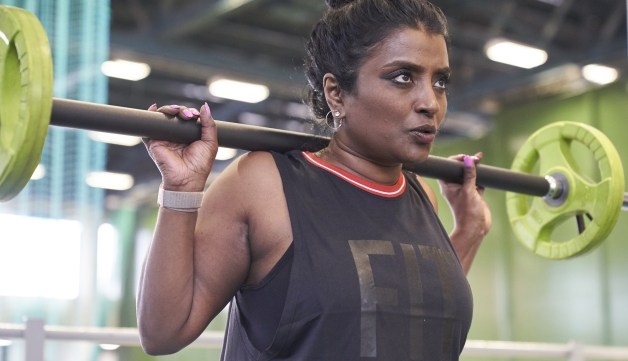 This Girl Can has helped produce tools and training to ensure facilities are safer for all women.
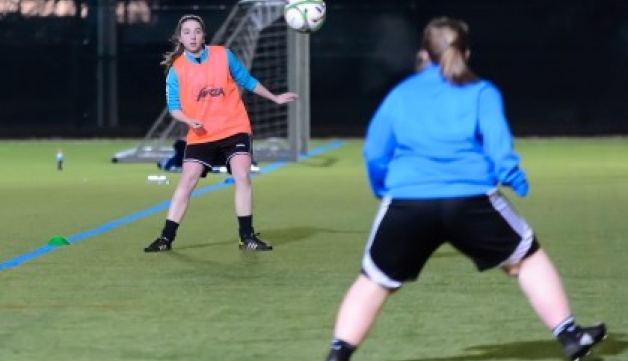 The government has committed £400 million to new and upgraded grassroots sport facilities across the UK, alongside £500m to support world-class sporting events.
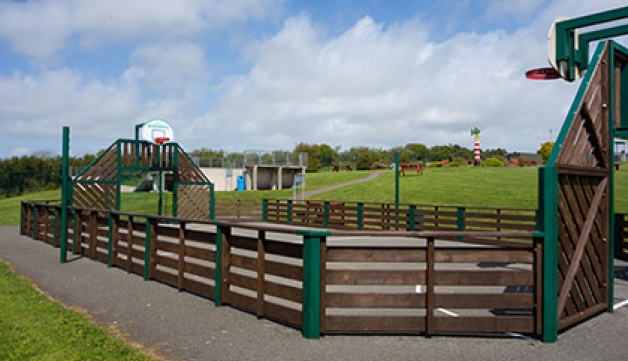 The Government has announced £100 million to upgrade sports facilities across the United Kingdom.
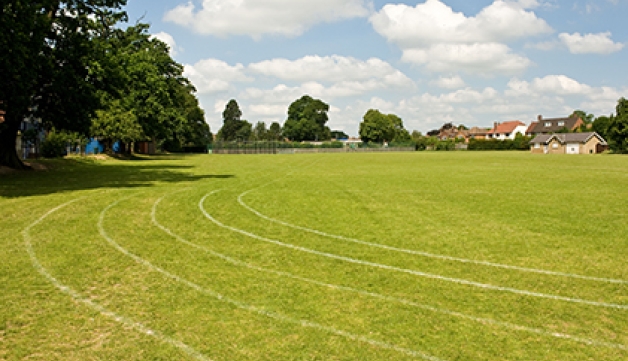 The Planning and Infrastructure Bill could impact our statutory consultee role on planning applications involving playing fields.
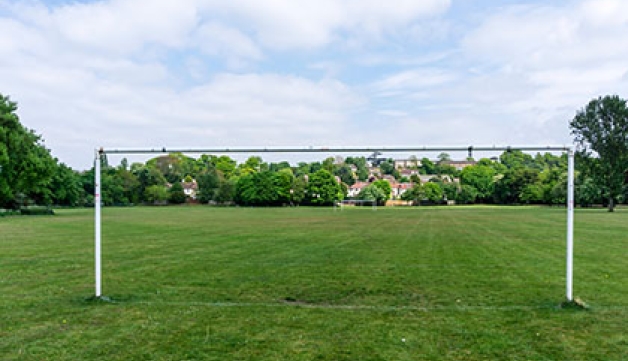 We've issued a statement in response to the Government's announcement regarding our statutory consultee role on planning applications.
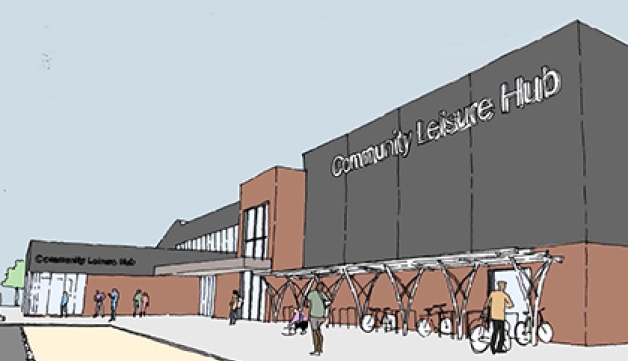 Aiming to encourage well-designed facilities that meet the needs of sport and physical activity and consider 'Active Design' and the 'Active Environment' principles.
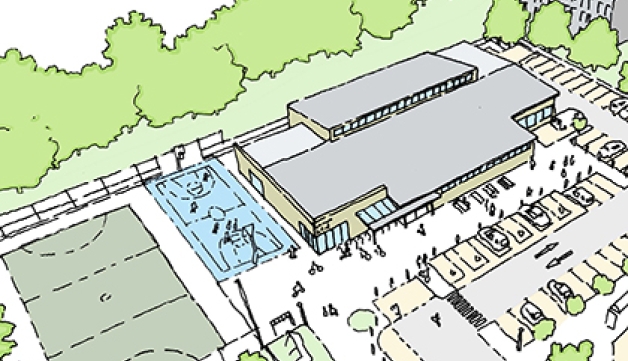 A concept aiming to encourage well-designed facilities that meet the needs of sport and physical activity and are a pleasure to use.
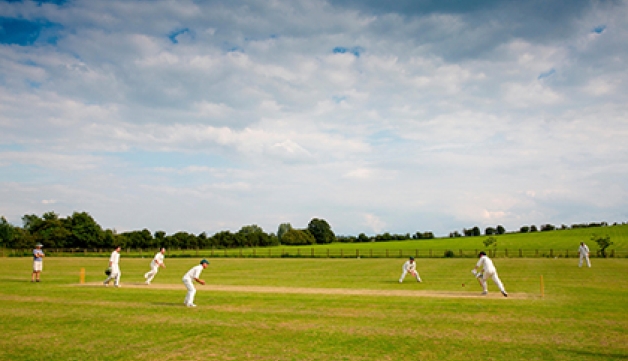 Our role as a statutory consultee saw 94% of all concluded planning applications involving playing fields result in the protection or improvement of facilities.
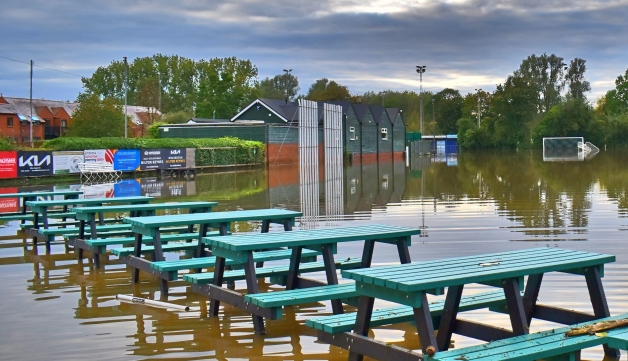 Our Movement Fund is open to applications from organisations impacted by the recent storms and flooding across England.
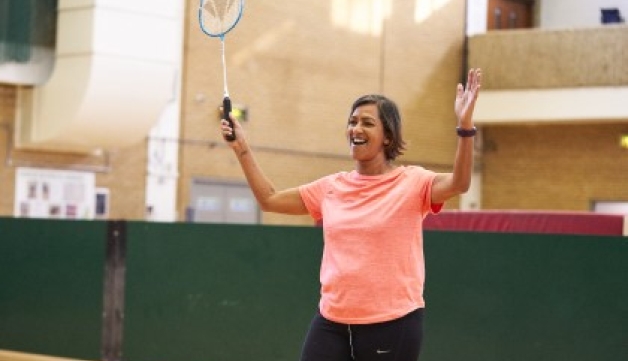 Our new Moving Communities report shows the resilience, adaptability and continued importance of public leisure facilities to local communities.
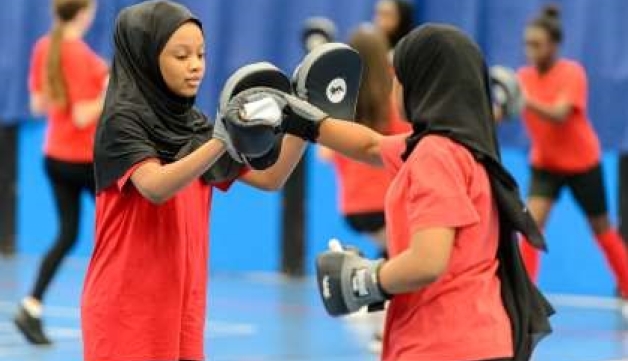 We've produced new guidance for planners, architects, building owners and operators, to help ensure sport and leisure facilities are safe, welcoming and accessible to all.
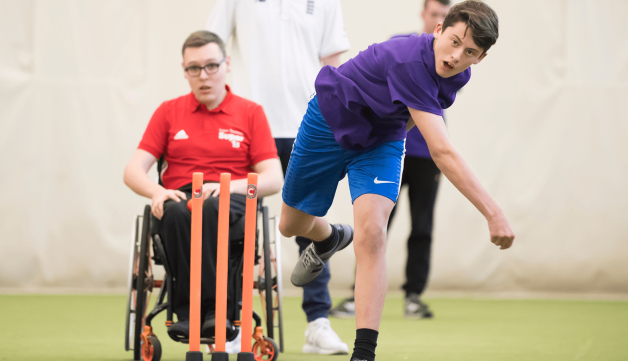 Appendices to accompany our guidance on accessible and inclusive sports facilities for designers, building owners and operators to help meet their design and operational obligations.
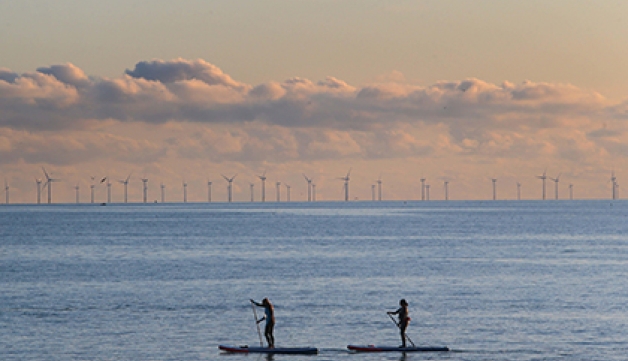 Practical support on how you can embrace sustainability to drive down running costs, along with advice on dealing with droughts and flood guidance.
 Phase II of the fund sees £60 million of exchequer and National Lottery funding split between 325 pools in more than 260 local authorities.

 This second phase follows the revenue phase which open earlier in the summer and is part of the total £60 million being made available to help public swimming pools with running costs and efforts to improve energy efficiency.


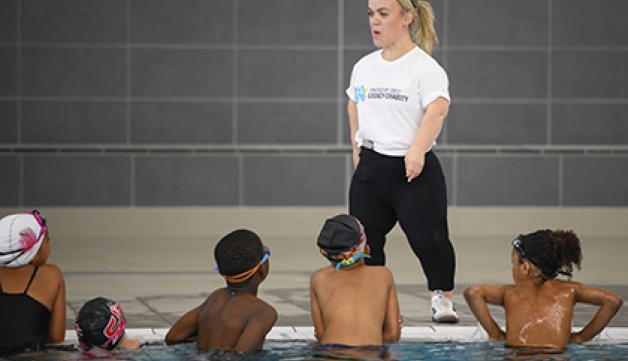 The centre was the only brand-new facility for Birmingham 2022 and was designed with community use at its heart once the Games had finished.
 The £20 million revenue fund closes on 11 August, with a £40m pot for capital investment set to be made available in September, to help make facilities more energy efficient.
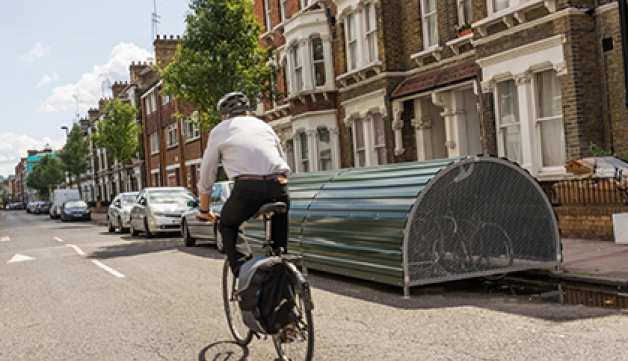 This third iteration has been developed with planners, urban designers and developers in mind, and is centred around a foundational principle of 'activity for all'.
 We administered the government’s £80 million fund for public swimming pools.
