
 Sport England's position statement on devolution policy.
 Frequently asked questions on the Sport Survival Package Borrower Playbook.
Children and young people today are creative, passionate, and full of potential.
Their energy and ambition feel hopeful in a world that often feels uncertain and unstable.
But they’re also facing new challenges: social media addiction, rising mental health concerns, climate anxiety.
In 2025, parents, teachers, and leaders across the country voiced concerns about a growing disconnect between online and offline life.
School absence is rising; wellbeing is worsening. And physical inactivity remains a stubborn problem: more than half of children aren’t active enough.
The inequalities are stark. Children from less affluent families are far less likely to be active than wealthier peers.
Girls remain less active than boys, and Black and Asian children are less likely to be active than White children.
If these trends continue at pace, we could be heading for a children’s health crisis within a decade.
The Youth Sport Trust’s (YST) Class of 2035 report warns that without robust action, we’ll see soaring screen time, rising obesity, disengagement from education, and more children diagnosed with diseases like Type 2 diabetes – a condition once almost exclusive to adulthood.
But this isn’t a story of despair, it’s a call to action.
And the good news? We are making progress - and 2025 was testament to this.
Promising Signs of Progress
In December 2025, Sport England data shows children’s activity levels are now at their highest since the first Active Lives Survey in 2018.
Half a million more children are meeting the UK Chief Medical Officers’ guideline of 60 minutes of activity a day compared to seven years ago.
That’s thanks to the incredible work of schools, clubs, and community organisations and the people that run them.
Government action has also been integral.
The National Youth Strategy can be a landmark moment, creating more opportunities for young people to connect offline - and sport has a huge role to play.
Its emphasis on being shaped by young people is vital: policy done with young people, not to them.
The commitment to halt the decline in PE and ensure at least two hours of reimagined PE each week is another big step forward, as is the ambition to increase access to enrichment activities.

 The reappointments have been made by the Secretary of State and took effect from 1 January 2026.
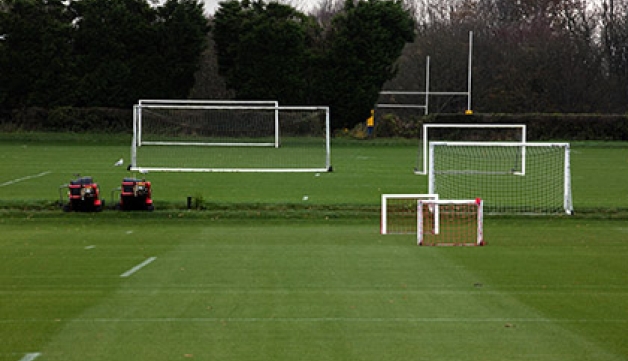 The latest data indicate our role as a statutory consultee saw 94% of all concluded planning applications involving playing fields result in the protection or improvement of facilities.
 Our chair publishes statement following opening of Government's planning reform consultation.
 The latest figures come from the second year of our social value model, which also shows a potential extra £20 billion of social value available by tackling inequalities.

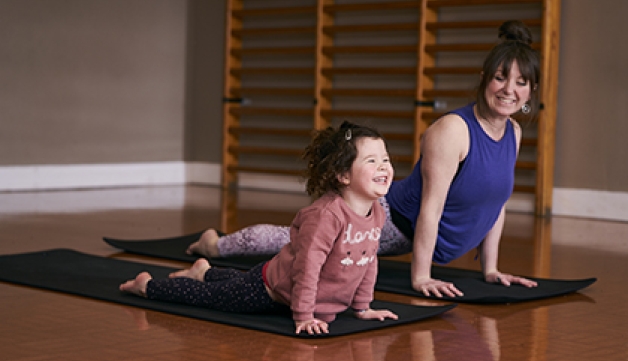 Let's Move uses real families as inspiration for how to stay active during the autumn and winter months, when parents expect their children's activity levels to dip.
 The decision follows talks between the NBA Commissioner and Prime Minister Keir Starmer in July.
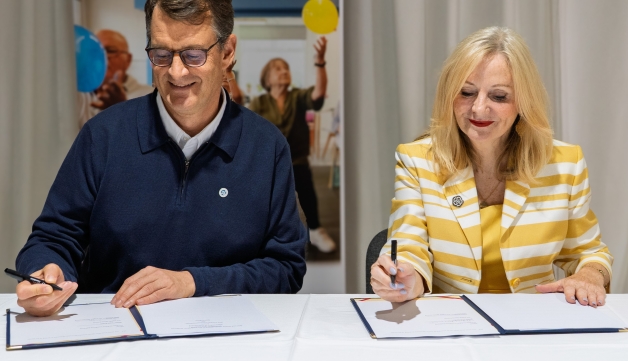 We’ve signed a joint pledge to embed sport and physical activity into the everyday lives of people across West Yorkshire, building on our investment in the region.
 Simon Hayes joins Sport England from his previous role as chief executive of HM Land Registry.
 The appointees bring a wealth of experience and will help set our direction over the next three years.
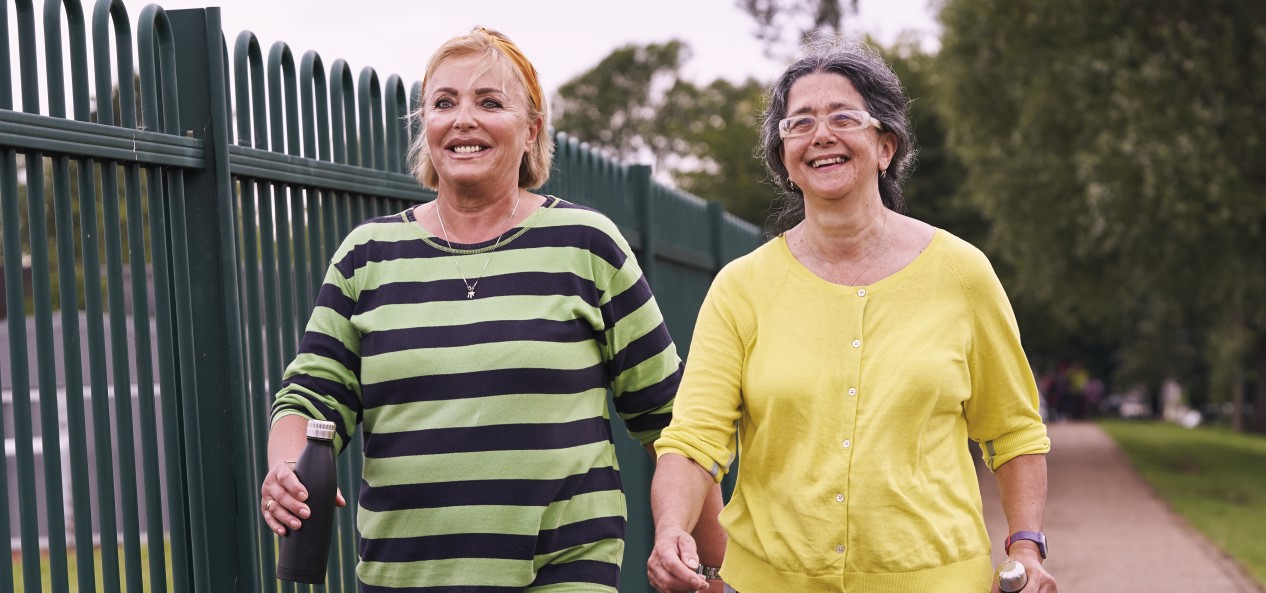
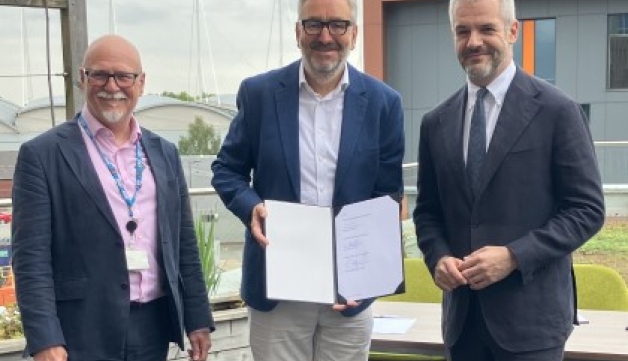 We've announced a major collaboration with the region's mayoral combined authority and integrated care board to increase activity levels and improve lives.
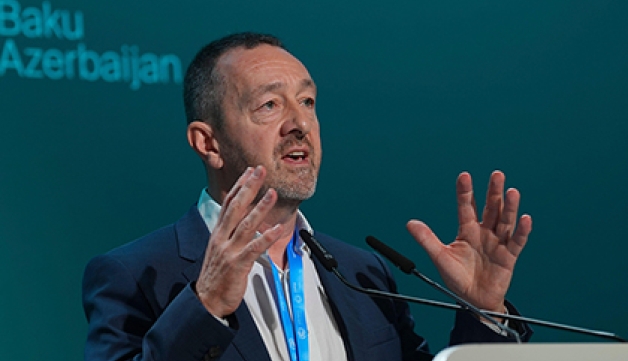 The Secretary of State has designated the active travel and sustainability advocate to lead our Board until 2029.
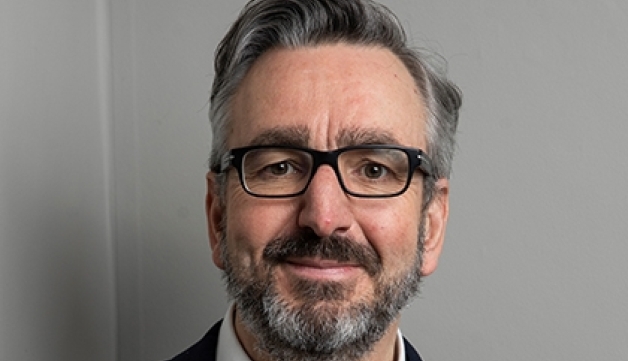 Our chief executive Tim Hollingsworth has written to the Culture, Media and Sport Select Committee following his appearance at the 'Game On' inquiry.
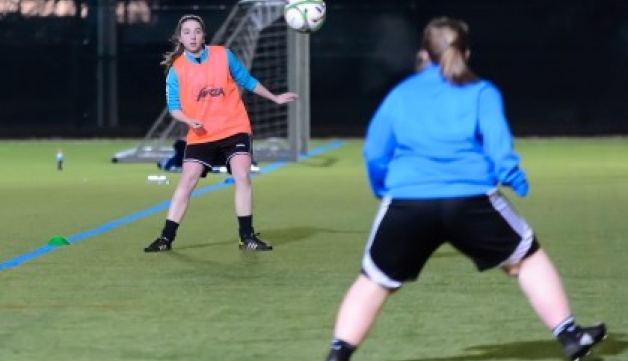 The government has committed £400 million to new and upgraded grassroots sport facilities across the UK, alongside £500m to support world-class sporting events.
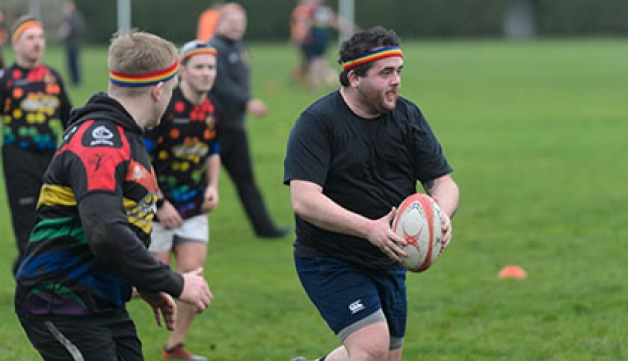 Information for sports organisations on enforcement and default for Borrowers involved in the Sport Survival Package.
 Information on consent matters as part of the Sport Survival Package Playbook.
 Guidance on monitoring and reporting obligations for the Sport Survival Package.
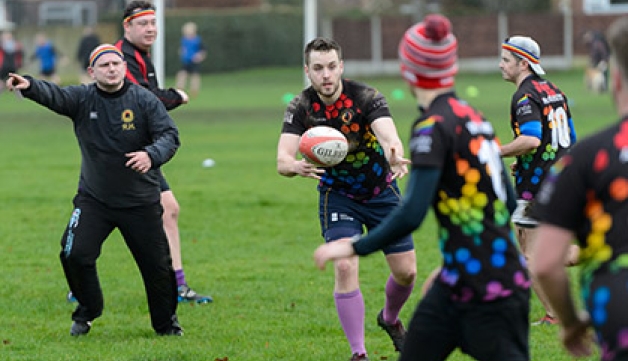 Guidance on early partial or full loan repayment of the Sport Survival Package, and what, when and how you repay your commitments.
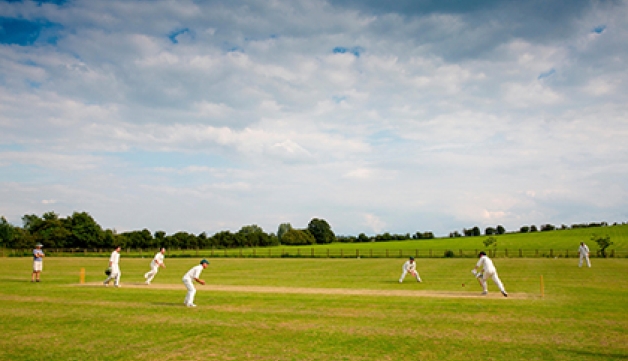 Our role as a statutory consultee saw 94% of all concluded planning applications involving playing fields result in the protection or improvement of facilities.
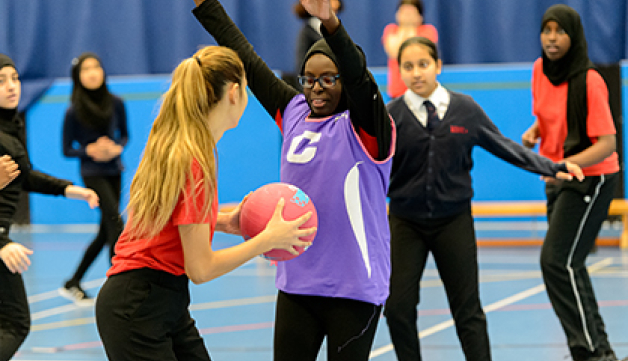 The legacy of Covid-19 means more must be done to give young people the best possible chance in life

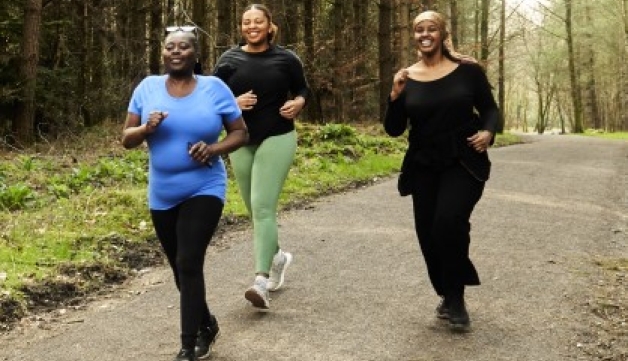 We've calculated the annual social value of community sport and physical activity to be more than £120 billion, with a return on investment of £4.38 for every £1 spent.
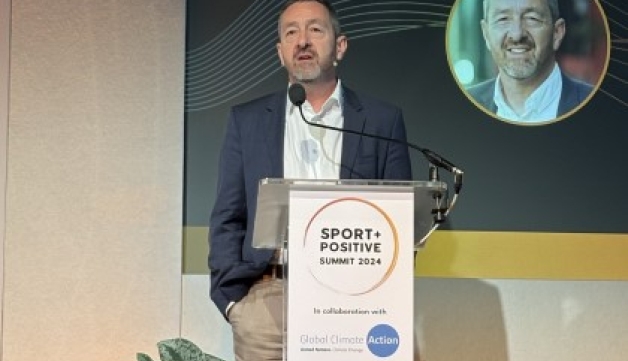 In a keynote speech at the Sport Positive summit, Chris Boardman urges our sector to lift its ambition on environmental sustainability.
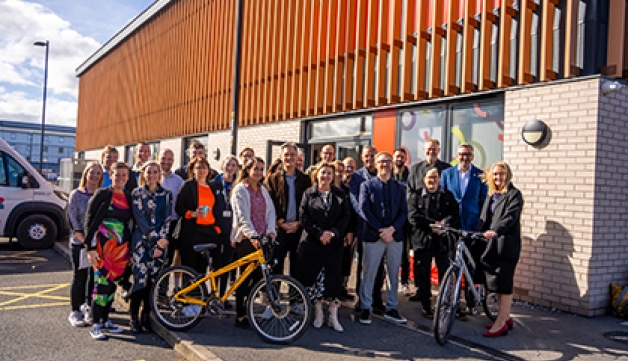 We've signed a memorandum of understanding with GM Moving to renew our shared commitment to tackling the region's health inequalities through physical activity.
 Tim Hollingsworth has spoken of his joy at the event finding a home in Glasgow for the 2026 Games.
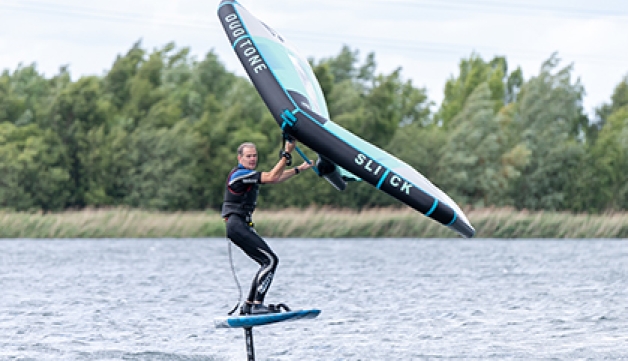 Chris Boardman said the new special measures bill has the potential to positively impact sport and physical activity participation levels.
 Our new Moving Communities report shows the resilience, adaptability and continued importance of public leisure facilities to local communities.
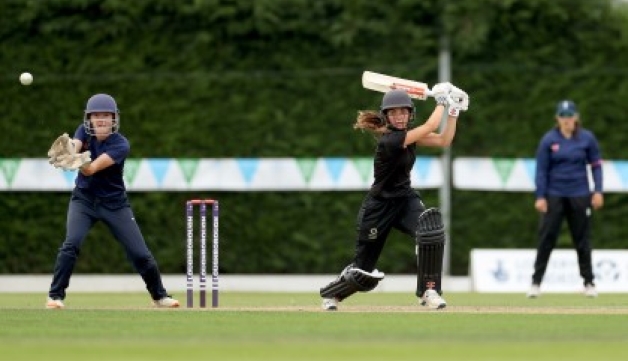 Our chief executive Tim Hollingsworth reacts to the announcement that £35million of new Government funding will be invested into cricket.
 Phase II of the fund sees £60 million of exchequer and National Lottery funding split between 325 pools in more than 260 local authorities.